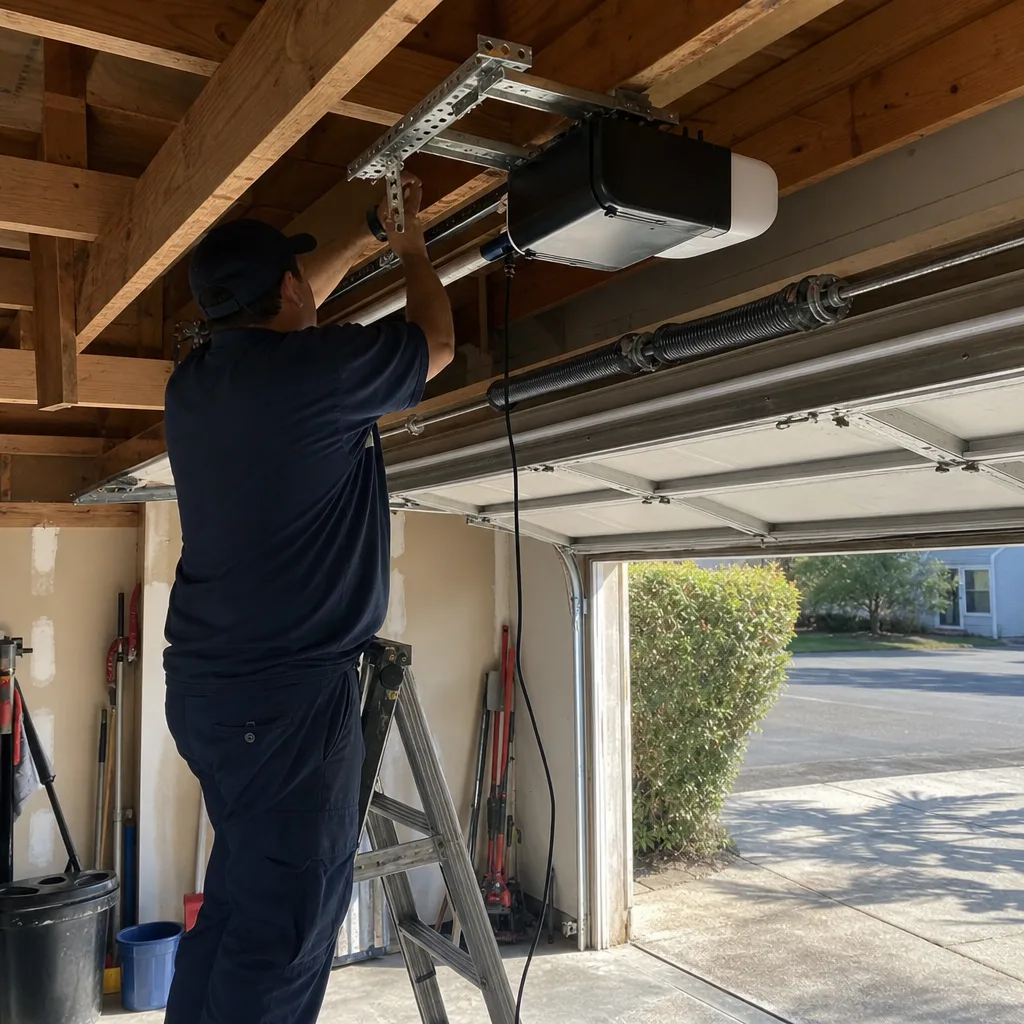
Last updated November 20, 2026
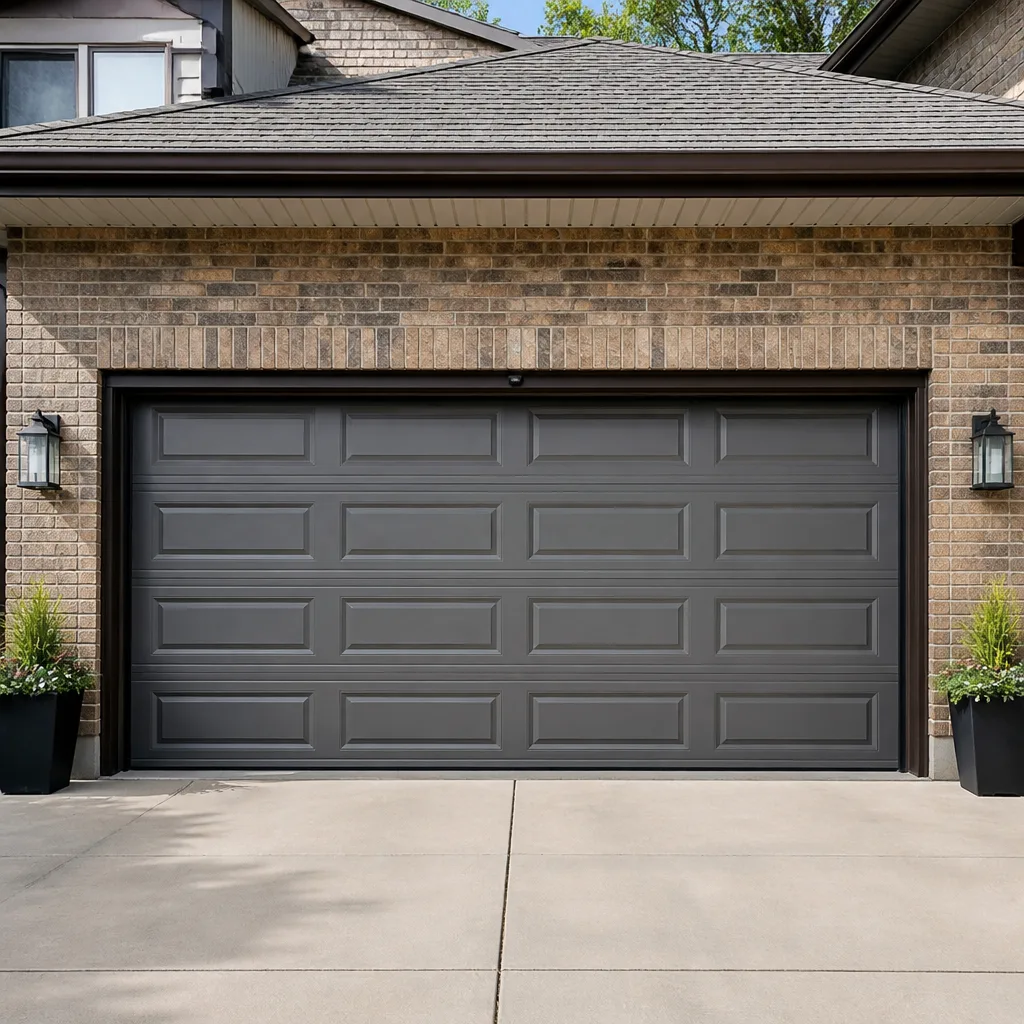 Raised-panel steel
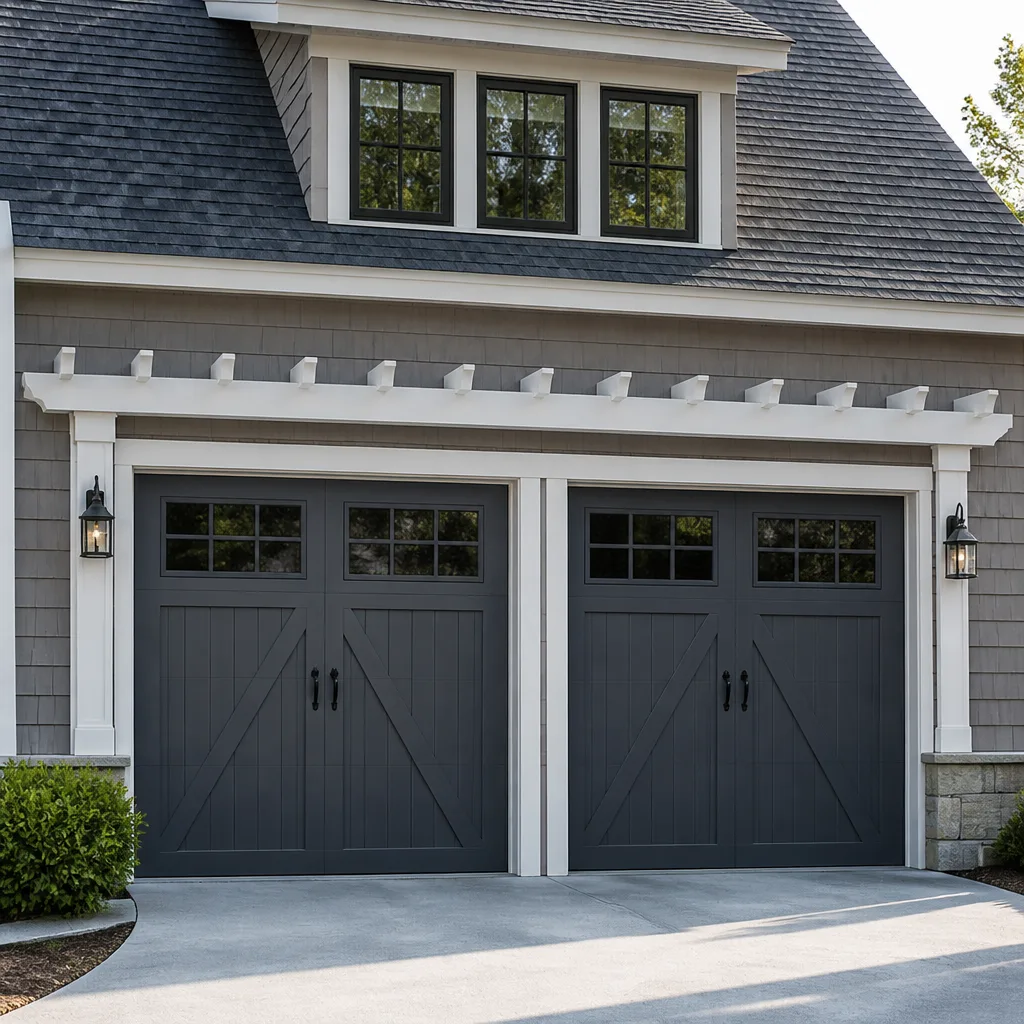 Carriage house
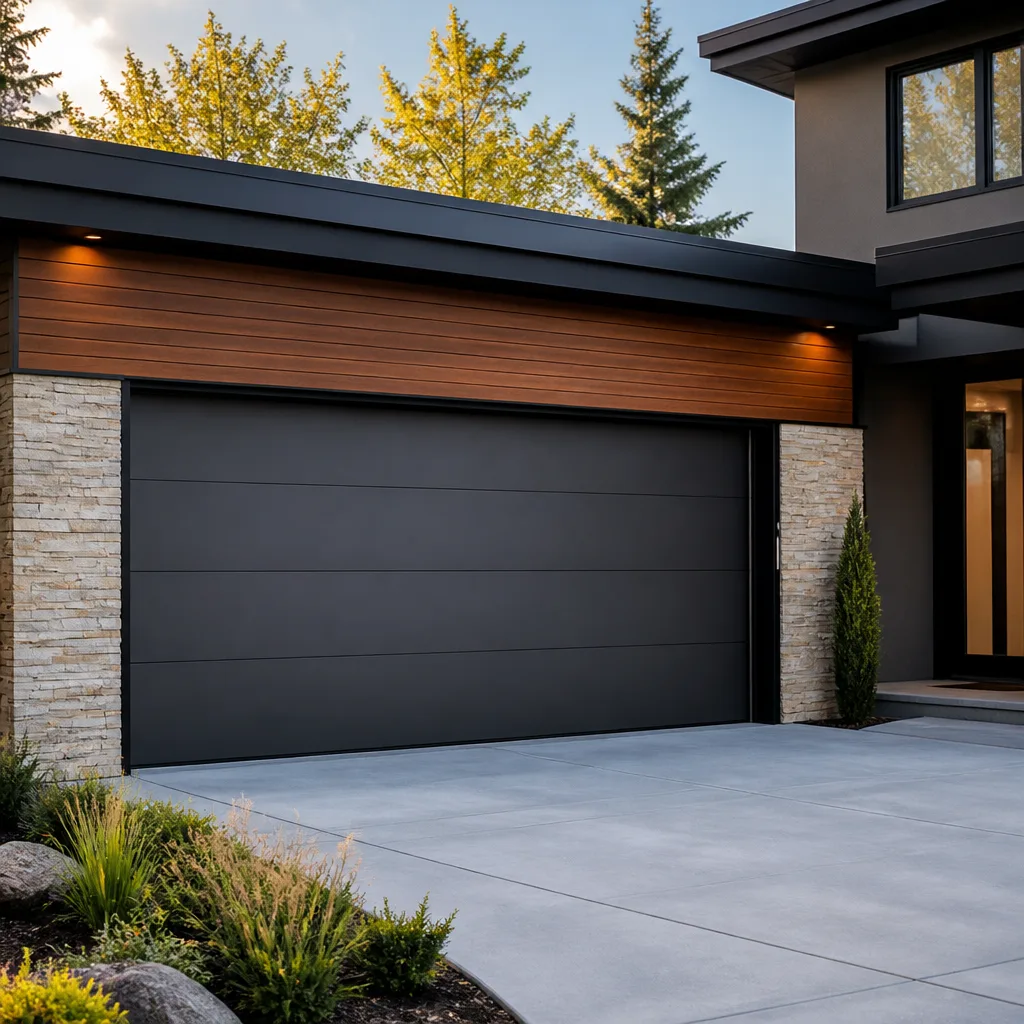 Modern flush
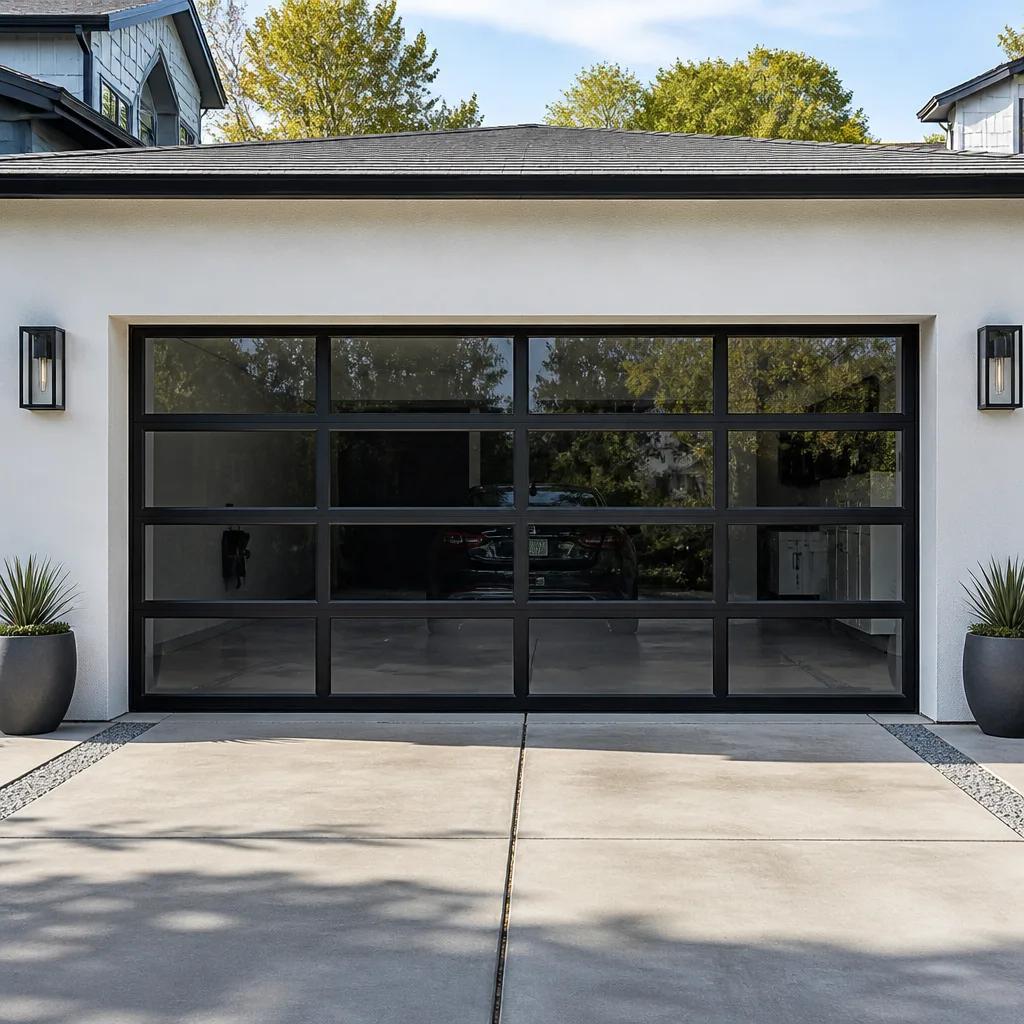 Full-view glass
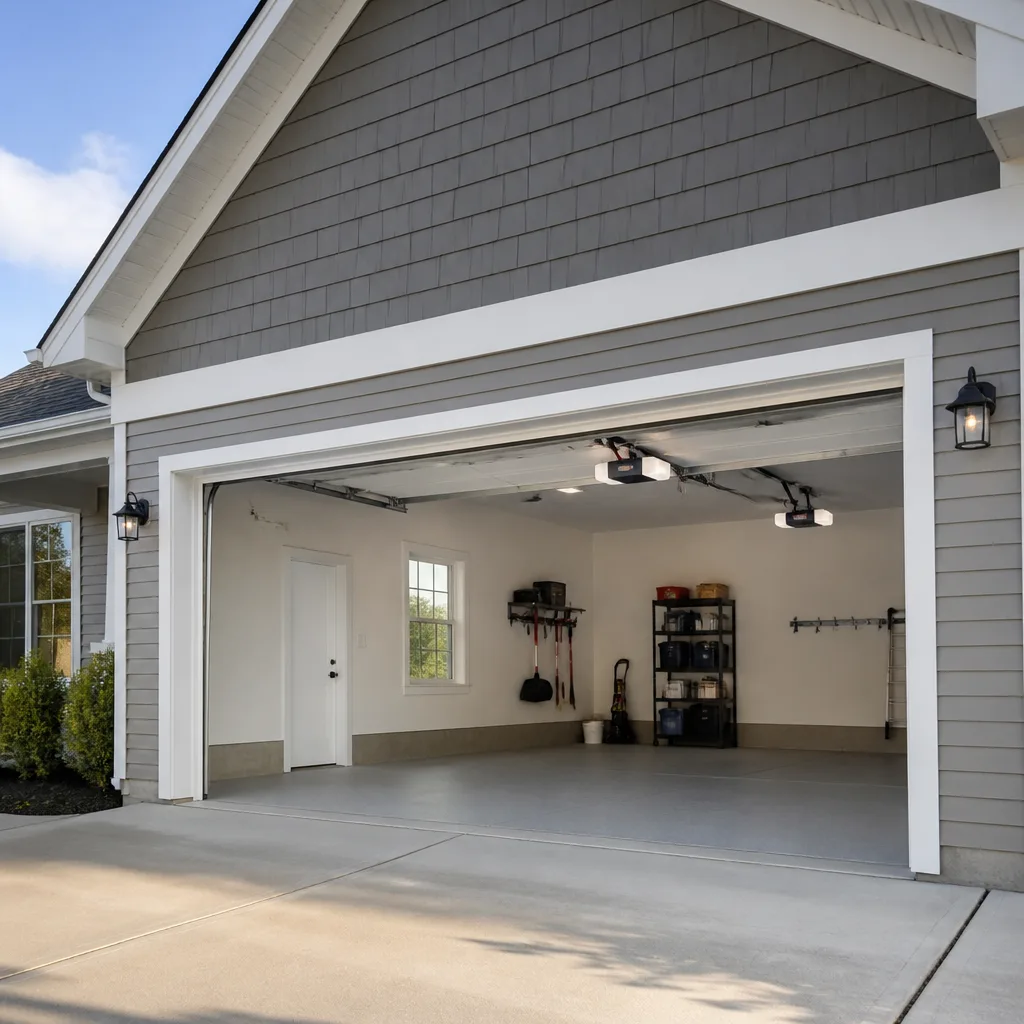 LiftMaster openers
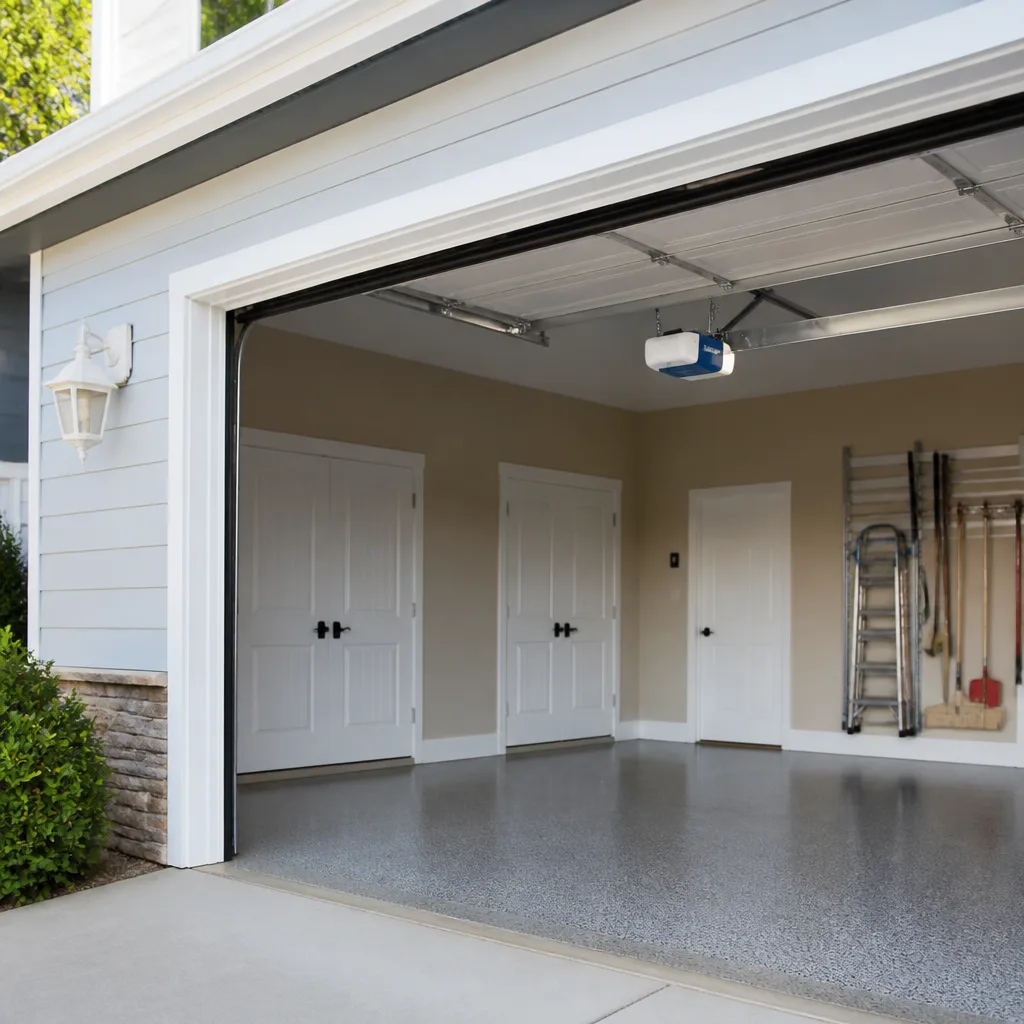 Chamberlain openers
Full 25-point door and opener safety check with every visit - springs, cables, rollers, tracks, and your LiftMaster or Chamberlain opener included
You get a price before we start. It does not change when the pro arrives.
Get your free estimateGarage Door Permits, Codes & Inspections in Plymouth, MA: What You Need to Know
Most Plymouth homeowners assume garage door work never needs a permit. For routine repairs, they’re right. But there’s a specific slice of garage door work that does trigger a permit in Plymouth, and it’s the slice people tend to skip. A new circuit for a motor, a structural change to the opening, a swap from a manual door to an opener where none existed before. Get it wrong and the paperwork issue doesn’t show up when the work is done. It shows up at resale, at an insurance claim, or at a home inspection. This guide draws the line between the garage door work in Plymouth that’s permit-free and the work that needs a stamped approval before anyone touches the track. We’ll cover how the Massachusetts State Building Code applies, what “like-for-like” really means, what inspectors check, and where the whole thing touches your insurance and disclosures.
Quick Answer
In Plymouth, most garage door repairs do not require a building permit. Replacing springs, cables, rollers, hinges, or a failed opener motor with the same type of unit is typically treated as ordinary repair and maintenance. A permit is generally needed when the work changes the structure of the opening, adds or alters electrical wiring, or changes the door system in a way that affects the building’s envelope or life safety. Every situation is slightly different, so confirm the specifics with the Plymouth Building Department before you schedule anything. When in doubt, ask first and repair second.
Styles & brands we work with
- Raised-panel steel
- Carriage house
- Modern flush
- Full-view glass
- LiftMaster openers
- Chamberlain openers
Table of Contents
- When does garage door work need a permit in Plymouth?
- How the Massachusetts State Building Code applies to garage doors
- What “like-for-like replacement” means legally
- How unpermitted work affects insurance and real estate disclosures
- What inspectors actually check on garage door installations
- Opener replacement, wiring, and the electrical permit question
- Spring system replacement: repair work, not a permit event
- A Plymouth homeowner’s pre-sale garage door checklist
When does garage door work need a permit in Plymouth?
Garage door work needs a permit in Plymouth when it changes the structure, the building envelope, or the electrical system. It generally does not need one when you’re restoring an existing system to working order with same-type components. That’s the short version. The long version is about knowing which of those two boxes your job falls into before you book it.
Here’s how we describe the split to Plymouth homeowners. Think about whether the work is repairing what’s there or changing what’s there. Repairing a broken spring, a snapped cable, a stripped gear in the opener, or a door that’s jumped the track: that’s repair. Changing the size of the opening, converting a manual door to an automatic one, adding a new electrical circuit, or replacing the door with a different model that changes the load path or the header: those are changes, and changes are where permits live.
A working rule for Plymouth properties:
- Repair-only work – springs, cables, rollers, hinges, bearings, panels, opener motor swap with the same type of unit: typically no permit.
- Electrical additions – a new outlet for the opener, a new dedicated circuit, or moving wiring to accommodate a relocated motor: this is electrical work, not garage door work, and electrical work is permitted separately.
- Structural changes – widening or raising the opening, altering the header, changing the door’s weight class in a way that affects the framing: this is a building permit territory.
- Manual-to-automatic conversion – where the door was never motorized and now will be, confirm with the Plymouth Building Department before you schedule.
The reason this matters in Plymouth specifically is the housing stock. The town has a wide mix of older homes with original detached garages alongside newer construction where the garage is fully integrated into the house. Those two situations don’t get treated the same way by an inspector, and the older the home, the more likely a simple opener swap runs into old wiring that needs a closer look. If your garage was built before grounded circuits were standard, an electrician’s opinion is worth having before anyone hangs a motor.
How the Massachusetts State Building Code applies to garage doors
The Massachusetts State Building Code, 780 CMR, governs how garage doors and their supporting structure are treated in the state. For a Plymouth homeowner, the practical takeaway is that the code cares about separation between the garage and the living space, about the structural integrity of the opening, and about the safe operation of any automatic door operator. It does not, in ordinary repair work, care that you replaced a spring.
What 780 CMR means in day-to-day terms:
- Separation between garage and house. The wall and door between an attached garage and the living space are treated as a fire separation. If a garage door replacement touches that separation, the code applies.
- Structural opening integrity. The header, jambs, and framing carry the door’s weight and the spring system’s tension. Any change to the opening size or the load path is a code question, not a repair question.
- Automatic operator safety. An automatic garage door operator must have functioning safety features, including the reverse-on-contact function and, on newer units, the photo-eye safety system. An inspector who looks at an opener installation will check these.
- Electrical provisions. Any new wiring, outlet, or circuit serving the opener falls under the electrical code, which is administered alongside the building code in Massachusetts.
The clean line is this: 780 CMR governs the building and its safety systems, not the mechanical wear items inside the door. Springs, cables, and rollers are wear items. When they fail, they’re replaced under the repair exemption. When the building or its electrical system changes to accommodate the door, the code comes in. We’ve found that most Plymouth homeowners who get surprised by a permit requirement were doing something that felt like a repair but was actually a structural or electrical change. The smell test is simple: if the work requires opening a wall, running new wire, or changing the door’s dimensions, it’s not just a repair.
For a deeper look at the repair side of the trade, our garage door repair page walks through the mechanical work that stays firmly on the repair side of the line.
What “like-for-like replacement” means legally
“Like-for-like replacement” is the phrase that exempts most garage door work from permitting, and it’s more specific than people assume. It means replacing a component with one of the same type, size, capacity, and function, in the same location, without changing the structure or the building systems around it. Swap a tired LiftMaster opener for a new LiftMaster of comparable capacity, wired to the same circuit, and you’re in like-for-like territory. Add a circuit, relocate the unit to the other bay, or upgrade to a heavier door and the exemption stops applying.
The four tests we use:
- Same type. Spring for spring, opener for opener, panel for panel. A torsion spring replaced with another torsion spring of the correct wire gauge and wind is like-for-like. A torsion system swapped for extension springs is not.
- Same size and capacity. A door of the same dimensions and weight class replacing the old door is like-for-like. A wider, taller, or heavier door changes the load and is not.
- Same location and mounting. The opener goes back on the same header, wired to the same circuit. Move it, and you cross into electrical work.
- Same building envelope. No wall opened, no header altered, no separation between garage and living space changed. Touch any of those and the permit question comes back.
Two brands that come up often in Plymouth on the like-for-like question are Clopay and Wayne Dalton, both common on homes where the original builder installed a specific model and the homeowner wants to keep the same pattern and weight. Matching a Clopay panel to the existing door so it behaves like the old one is repair work. Changing the model family and the weight class in the process is a different conversation, and worth raising with the town before you order. Amarr and Craftsman systems show up on a lot of Plymouth garages too, and the same principle applies to all four: match the spec, keep the exemption.
How unpermitted work affects insurance and real estate disclosures
Unpermitted garage door work can affect two things a Plymouth homeowner cares about: an insurance claim and a real estate disclosure. Both are avoidable, and both are much cheaper to deal with before the work than after. This is where the “it was just a garage door” assumption costs people.
On the insurance side, the issue isn’t usually the garage door itself. It’s the electrical and structural change that came with it. If a new opener was wired to a circuit that wasn’t permitted or inspected, and a claim later involves a fire or an electrical fault in the garage, the insurer will look at whether the work was done to code. Unpermitted work doesn’t automatically void a policy, but it can complicate a claim and slow it down while the carrier investigates. In our experience, the cleanest path is to have the paperwork for anything beyond ordinary repair. A written invoice from a licensed electrician for a new circuit costs far less than a delayed claim.
On the disclosure side, Massachusetts sellers complete a seller’s statement of condition, and the form asks whether the seller is aware of any unpermitted work on the property. That’s a broad question, and a garage door opener installed on a new circuit without a permit is exactly the kind of item a careful buyer’s attorney will flag. During a home sale in Plymouth, a buyer’s inspector will look at the garage, and the inspection report will note an opener that appears to be on new wiring with no visible permitting trail. It doesn’t kill a deal, but it opens a conversation you don’t want to be having at the closing table.
The fix is straightforward:
- Keep the invoice for every piece of work beyond a wear-item repair. The invoice is your paperwork trail.
- Keep the permit and inspection record for any structural or electrical work. The Plymouth Building Department keeps records, and you should too.
- When buying a Plymouth home, ask for the garage door paperwork specifically. Most sellers won’t have it, and that’s a reasonable thing to know before you close.
- When selling, pull the records before the listing goes live, not after the buyer’s inspector finds something.
If you’re already in a situation where unpermitted work exists, the right call is to the Plymouth Building Department first, then to a contractor. A retrospective inspection and a permit application is the standard remedy, and it’s far less painful than an undisclosed item at closing.
What inspectors actually check on garage door installations
When an inspector visits a Plymouth property for a permitted garage door installation or structural change, they’re checking the things that connect the door to the building’s safety. They are not doing a mechanical service call, and they won’t test your spring balance or your cable tension. The inspection is about the building, not the maintenance.
What a Plymouth inspector typically looks at:
- Heading and framing. Whether the framing around the new opening matches what was approved, and whether the header carries the load correctly.
- Fire separation. On an attached garage, the wall and door between garage and living space, and whether that separation remains intact.
- Opener safety features. The reverse-on-contact function and the photo-eye system on any automatic operator, tested in the inspector’s presence.
- Electrical connections. That any new circuit or outlet serving the opener was installed by a licensed electrician, covered by the electrical permit, and matches the approved plan.
- Approved plans vs. as-built. That the door system installed matches the plans that were submitted with the permit application.
One thing an inspector will not do is sign off on a job that doesn’t match its approved plans. If the permit was pulled for a same-size door and the door that shows up is wider, the inspection fails and you’re back to the building department for an amended permit. Our advice to Plymouth homeowners is to have the measurements final before a permit goes in. Nobody enjoys a second inspection visit for a model change.
If the door is making noise or moving unevenly before an inspection, that’s a repair matter and it should be handled before the inspection. Inspectors will flag a visibly malfunctioning operator, and an unbalanced door is a fast way to fail. Bringing a garage door opener repair professional in before the inspection is cheaper than a re-inspection.
Opener replacement, wiring, and the electrical permit question
Opener replacement is the most common source of garage door permit confusion in Plymouth. Replacing a failed opener with a new unit of the same type, wired to the existing outlet and circuit, is repair work. Adding a circuit, installing a new outlet, or relocating the opener so that wiring has to be rerouted is electrical work, and electrical work in Massachusetts is permitted separately from building work. The distinction matters because most homeowners ask their garage door contractor about permits, and the honest answer is that the permit question belongs to an electrician when the wiring changes.
The three scenarios:
- Same opener type, same circuit. A LiftMaster or Chamberlain unit swapped for the same type, plugged into the same outlet. Ordinary repair, no permit.
- Same outlet, new dedicated circuit. An electrician runs a new circuit from the panel to the garage outlet. Electrical permit required, and the electrician pulls it.
- New outlet or relocated opener. New wiring from panel to a new location. Electrical permit required, and the work belongs to a licensed electrician.
Genie and Craftsman units come up often in this conversation because they’re common on older Plymouth homes and their replacement is usually straightforward. The opener itself isn’t the permit question. The wiring behind it is. When we quote an opener replacement, part of the conversation is whether the existing circuit is adequate. If it isn’t, we tell you that an electrician needs to be involved and that the electrical permit is the electrician’s to pull. That’s the honest version, and it saves you a surprise later. If your existing opener is still limping along and you’re not sure whether the fix is a new opener or a repair, that’s what a diagnostic visit is for. No guesswork before we quote.
Spring system replacement: repair work, not a permit event
Spring replacement is repair work. It does not require a building permit in Plymouth, and it is not a code event. It is, however, the most dangerous job in the garage door trade, and it’s worth saying plainly: the spring system holds a large amount of stored tension, and a torsion spring or the cable attached to it can cause serious injury if handled without the right tools and training. If a spring is broken, a cable is slack, or the door won’t stay up, the safe move is to stop operating it and call a trained professional. Do not attempt a spring or cable repair yourself.
Because spring work is repair, the permit question doesn’t apply. What does apply is the like-for-like principle we covered earlier. A broken torsion spring is replaced with a torsion spring of the correct wire gauge, wind, and cycle rating for that door. A matched pair is usually replaced together, because the two springs have shared the same cycles and the surviving one is on borrowed time. Replacing one of a pair is a false economy, and it’s the kind of shortcut that shows up as a second failure a few months later. If your door has extension springs rather than torsion, that’s a different system with different hardware, and the pair replacement logic still applies.
What the spring work affects downstream:
- Door balance. A correctly matched spring pair restores balance. An unbalanced door strains the opener and causes premature motor wear.
- Opener lifespan. A tired spring forces the opener to work harder. Replacing a motor without fixing the spring underneath is a common and expensive mistake.
- Safety systems. Balance and the safety reverse are connected. A door that doesn’t balance correctly may not reverse properly on contact, and that’s a safety issue, not just a comfort one.
- Package and code compliance. When spring work is combined with a permitted door or opener change, the inspection covers the whole system. Doing the spring work first keeps the inspection clean.
Our garage door spring repair work covers these jobs daily, in Plymouth and the surrounding area, across the brands most homes here already have installed. That includes the torsion systems on Clopay doors, the extension systems on older Wayne Dalton installations, and the many Amarr and Craftsman doors throughout town. We work on the brand you already have.
A Plymouth homeowner’s pre-sale garage door checklist
If you’re selling a Plymouth home, the garage door is one of the lowest-effort items to make clean before the listing goes live. Buyers’ inspectors spend real time on the garage, and a sorted paper trail prevents a conversation at closing. Here’s the checklist we’d follow.
- Pull the permit history for the address. The Plymouth Building Department can tell you whether any permits were pulled and closed. If a prior owner did structural or electrical work, you want to know before a buyer’s attorney asks.
- Locate the invoices for any work done in the last ten years. Repairs, opener replacements, spring work. An invoice from a contractor is your documentation that the repair was done.
- Test the safety reverse on your opener. Put a small object in the door’s path and confirm it reverses on contact. Confirm the photo-eye system is aligned and functioning. An inspector will test both.
- Have any unbalanced door serviced before the inspection. A door that drifts or won’t stay at mid-travel is an inspector’s note waiting to happen.
- Check the door hardware visually. Worn rollers, frayed cables, or a visibly bent track are all things an inspector will flag, and all are repair items, not permit items.
- Disclose what you know. The seller’s statement of condition asks about unpermitted work. If you’re aware of any, disclose it and the remedy you took. Buyers respect a clean disclosure far more than a surprise.
- Address the fire separation. The wall and door between an attached garage and the living space should be intact and free of holes. This is a common inspector note on older Plymouth homes, and it’s a repair, not a permit event, in most cases.
If you want to sort out the repair items on that list before the listing goes live, a diagnostic visit will tell you what’s a repair, what’s wear, and what’s actually fine. No guesswork before we quote, and the price is agreed before any work starts. You can reach the team through our Garage Door Repair Plymouth Pros page to book that visit.
Common Mistakes to Avoid
- Assuming “repair” covers a structural change. Widening an opening or altering a header is not repair work even though it involves a garage door. It needs a building permit and a plan, and it’s the single biggest source of the paperwork problems we see in Plymouth.
- Replacing an opener on new wiring without an electrician. The opener swap is repair; the new circuit behind it is electrical work. Skip the electrician and you’ve created an unpermitted electrical installation, which is the item most likely to complicate an insurance claim.
- Skipping the pre-sale permit check. A Plymouth home with older garage work can carry a permit history you don’t know about. Pull the records before the listing goes live, not after a buyer’s inspector finds something.
- Failing to disclose unpermitted work on the seller’s statement. The seller’s statement of condition asks directly. An honest disclosure with a remedy noted is far easier on a sale than a demand for a concession at closing.
- Mismatching specs on a “small” upgrade. Matching a brand and a weight class looks like a small decision until an inspector compares the as-built door to the approved plan. It’s the reason an inspection fails when the door is functionally fine.
- Forgetting the fire separation. The wall and door between an attached garage and the living space are treated as a fire separation under the state code. A repair that opens or damages that separation without reinstating it is a code problem.
- Assuming a permit covers one thing and finding out it covers another. A permit for a door replacement does not cover new wiring, and a permit for a new circuit does not cover structural work. When a job touches both, ask the town to spell out the scope before anyone shows up.
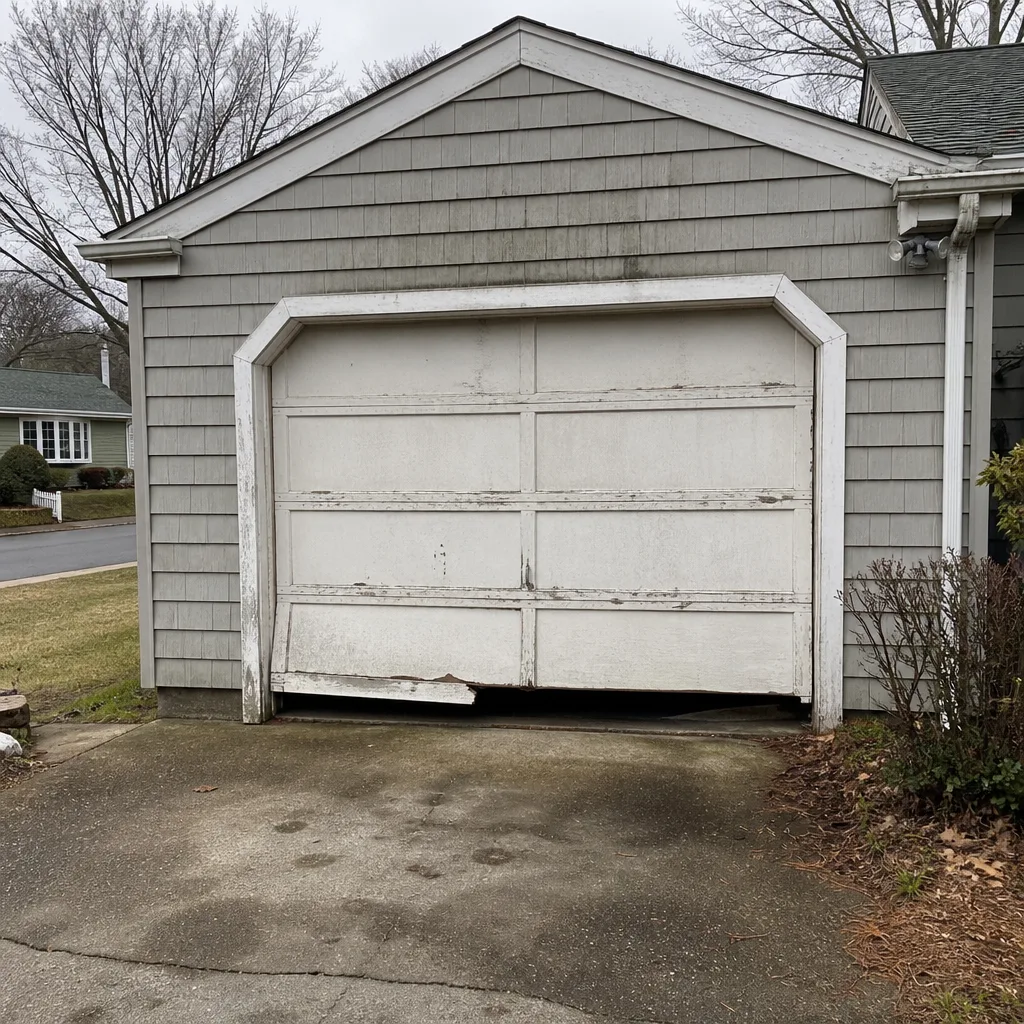
See the difference
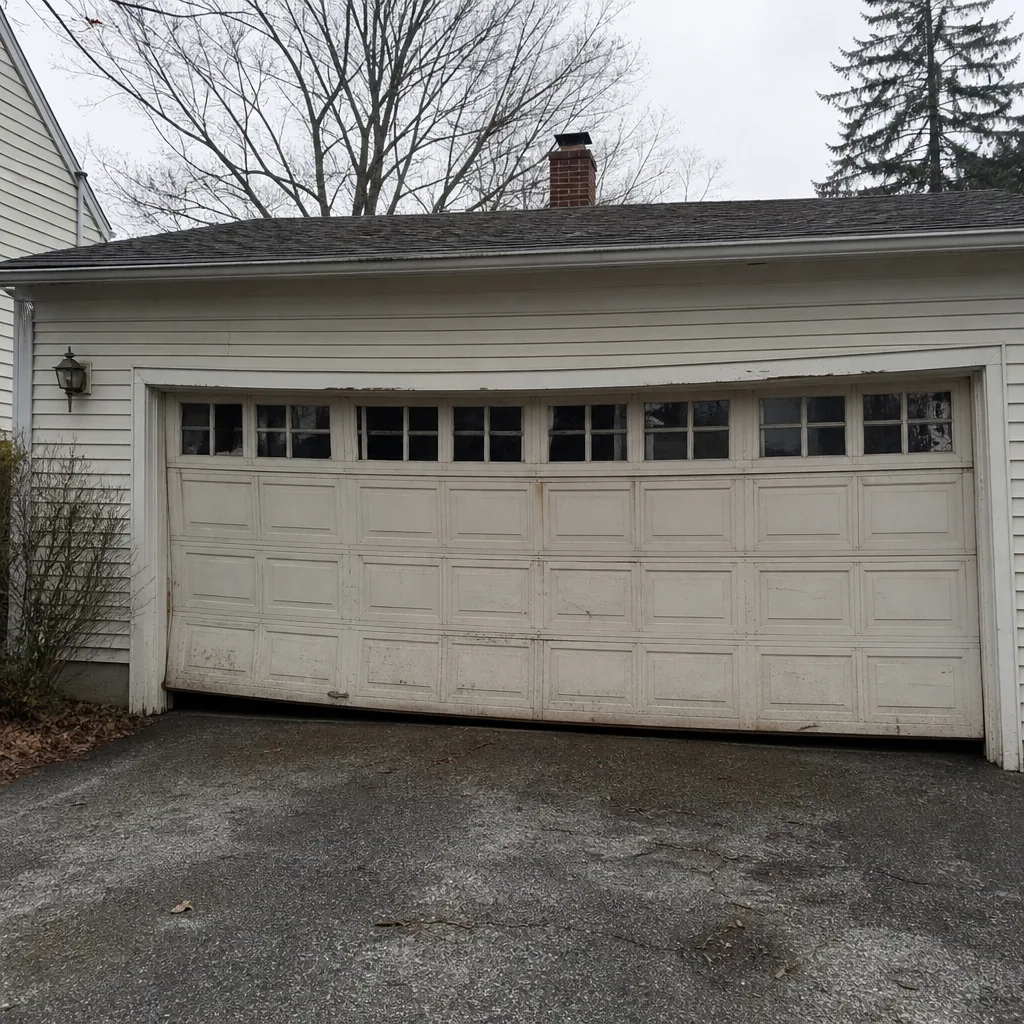 Before
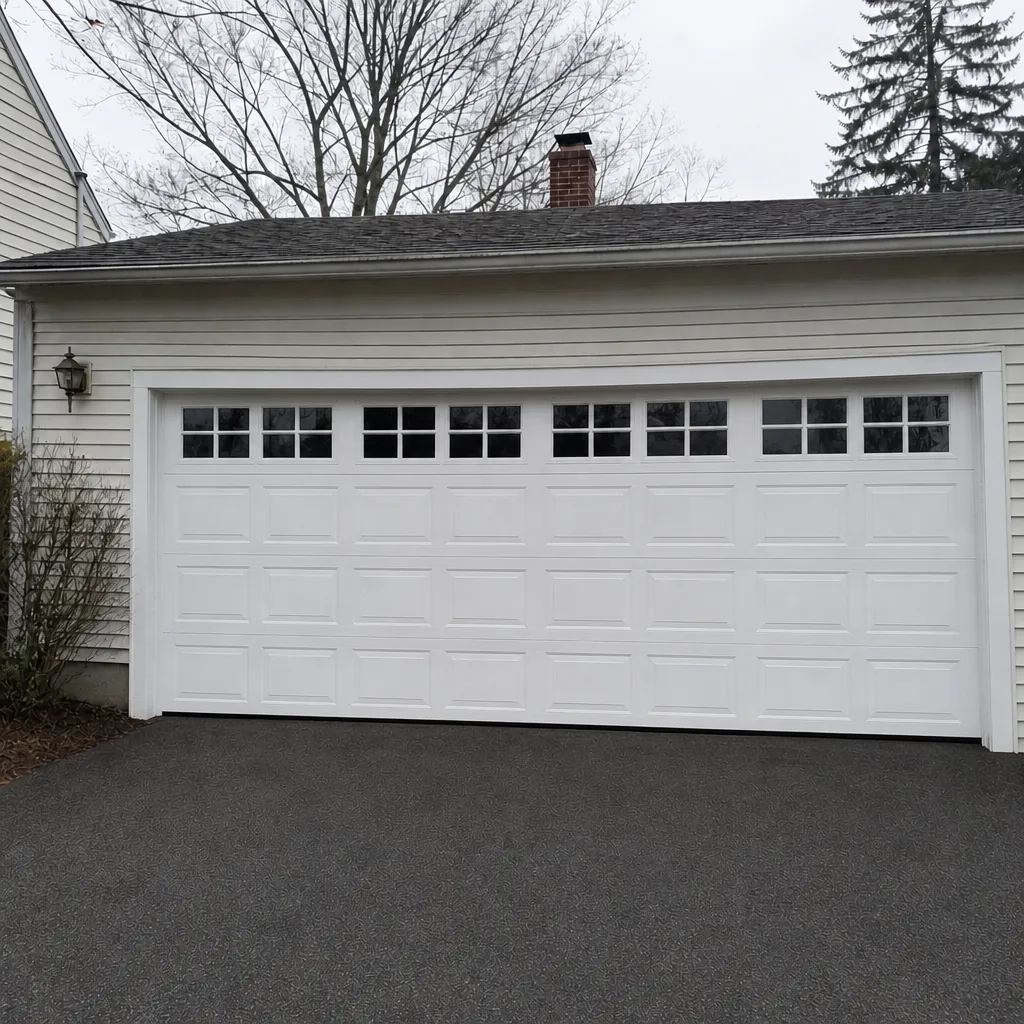 After
 Before
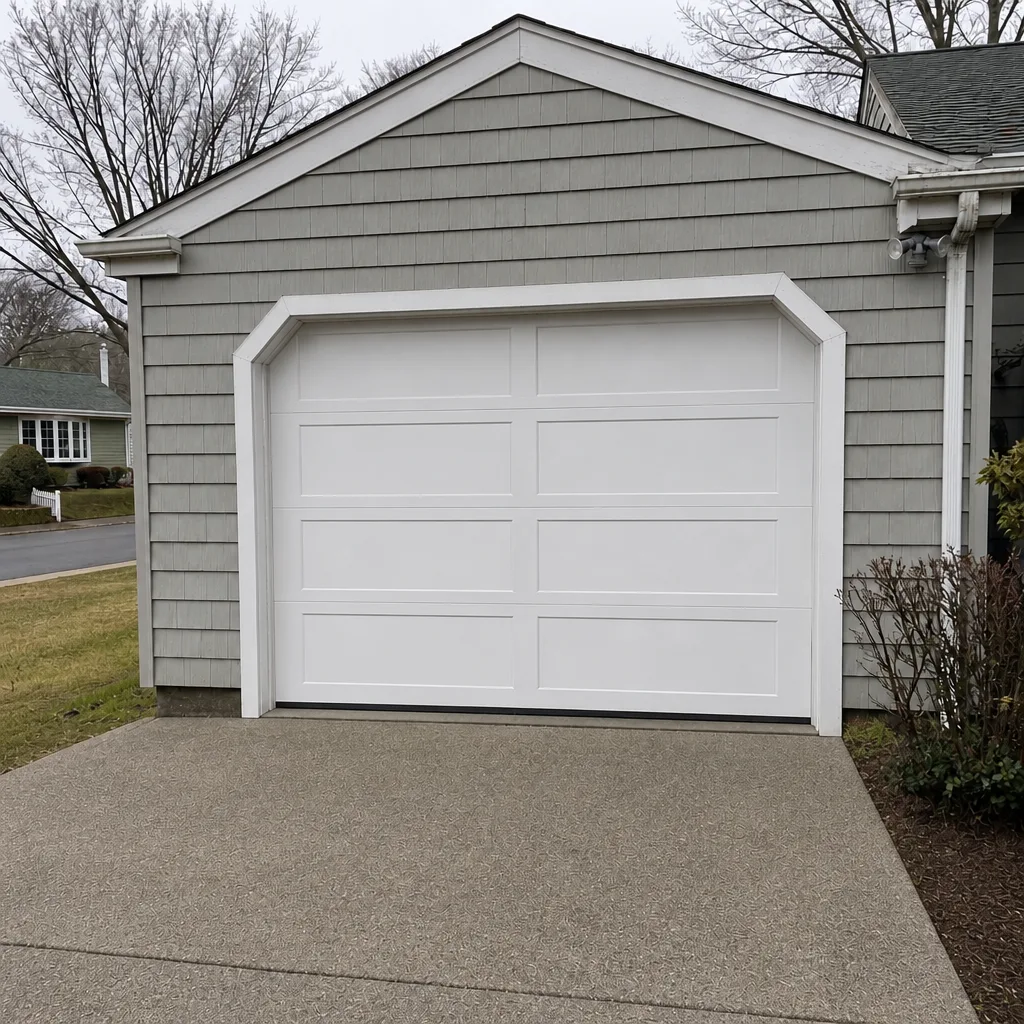 After
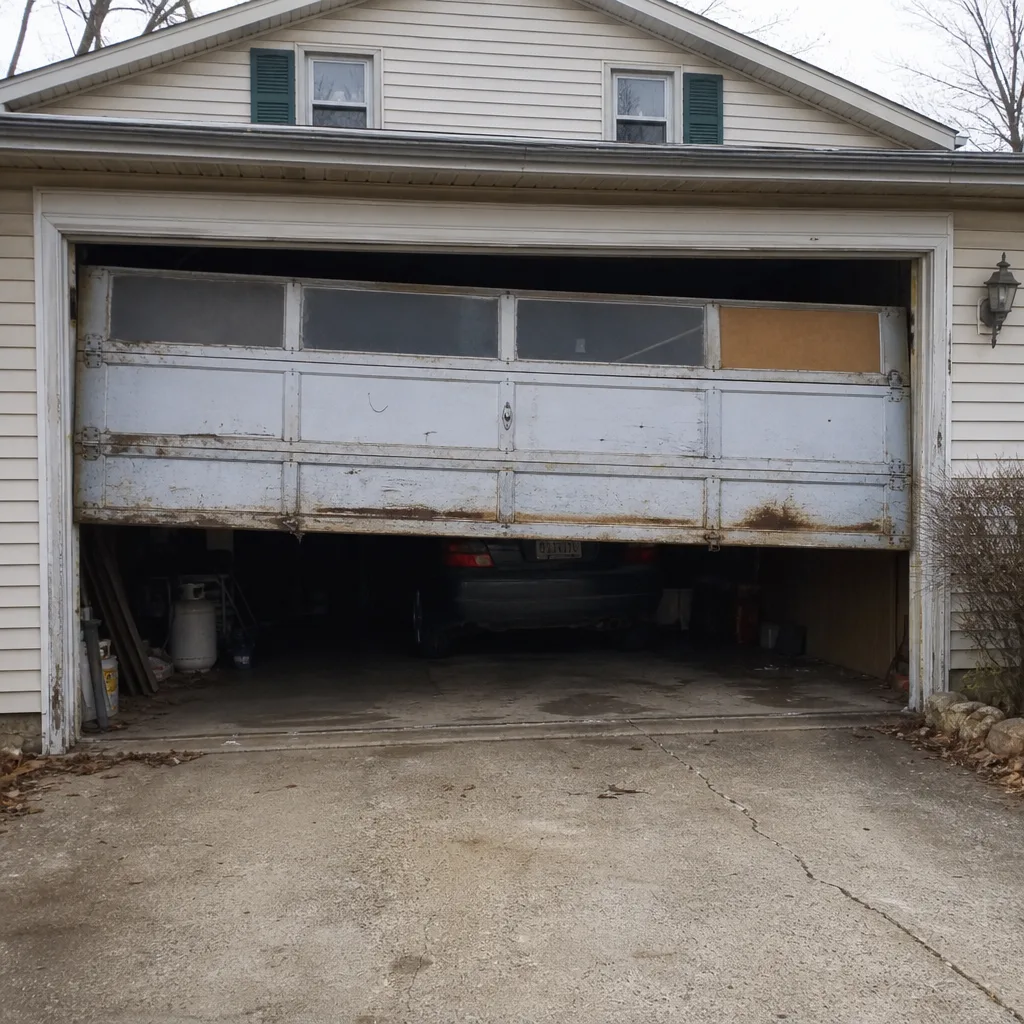 Before
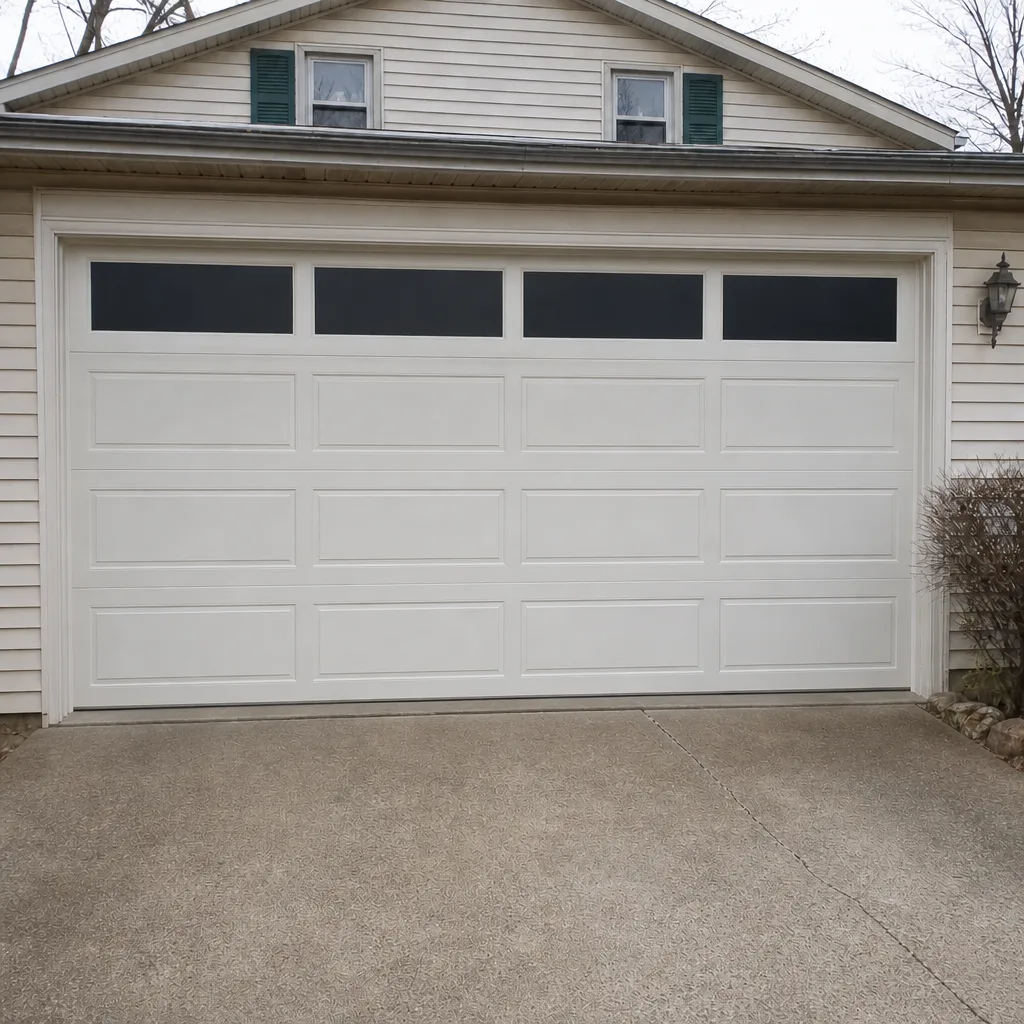 After
When to Call a Professional
Call a professional when a spring or cable is involved, because the stored tension in a garage door system can cause serious injury to untrained hands, and that’s a job with no safe DIY version. Call when the door is off its track, moving unevenly, stopping partway, or won’t stay up. Call when the opener is making new noises, the safety reverse doesn’t work, or the photo-eye system triggers with nothing in the way. Call when a pre-sale inspection flagged something and you’re not sure whether it’s a repair or a permit item. And call before the permit question when you’re making any change that touches the opening size, the structure, or the wiring, because the order of operations matters. Garage Door Repair Plymouth Pros offers free estimates in Plymouth – call (833) 754-9851 and we’ll diagnose before we quote, so you know exactly what you’re dealing with before anything gets scheduled. Our technicians have up to 14 years of experience with the brands most Plymouth homes already have installed.
Frequently Asked Questions
In most cases no, if the new door is a like-for-like replacement of the same size, weight class, and type in the same opening. A permit is generally triggered when the door size or framing changes, or when the work touches the electrical system or the fire separation between an attached garage and the living space. Confirm with the Plymouth Building Department before you order the door, because the answer depends on the specific change. Call (833) 754-9851 for a free estimate on the repair or replacement side.
Only if the wiring changes. A new opener wired to an existing outlet and circuit is repair work and doesn’t need an electrical permit. Adding a new circuit, installing a new outlet, or rerouting wiring for a relocated opener is electrical work, and it needs an electrical permit pulled by a licensed electrician. The opener itself isn’t the permit question; the wiring behind it is. Call us and we’ll tell you which side your situation falls on.
Like-for-like means replacing a component with one of the same type, size, capacity, mounting location, and function, without changing the structure or building systems around it. A torsion spring swapped for a torsion spring of the correct gauge and wind is like-for-like. A door swapped for a wider, taller, or heavier model is not. Matching the model family on brands like Clopay or Wayne Dalton keeps you in the exemption; changing the weight class takes you out of it. Call (833) 754-9851 to talk through your specific door.
It can, if the unpermitted work involves electrical or structural changes rather than a wear-item repair. An insurer reviewing a claim that involves a fire or electrical fault in the garage will look at whether the work was permitted and inspected. Unpermitted work doesn’t automatically void a policy, but it can slow a claim and complicate the investigation. Keep the invoice for any work beyond a spring, cable, or roller replacement, and keep the permit paperwork for anything electrical or structural.
An inspector checks the framing and header against the approved plans, the fire separation between an attached garage and the living space, the opener’s safety reverse and photo-eye function, and the electrical connections from any new circuit. They do not test spring balance or cable tension – that’s maintenance, not inspection. The most common reason an inspection fails is a door that doesn’t match the as-built plans. Call (833) 754-9851 if you want the door serviced before the inspection rather than after.
Replace both, if your door has a matched pair. The two springs have shared the same cycles, and the surviving one is already partway through its service life. Replacing a single spring of a matched pair is a common shortcut that leads to a second failure. Spring replacement is repair work and does not need a permit in Plymouth, but it is the highest-tension job in the garage door trade and should only be done by a trained professional. Call (833) 754-9851 for a free estimate – the price is agreed before any work starts.
The Bottom Line
Most garage door work in Plymouth doesn’t need a permit, and that’s the correct answer for the majority of jobs we see. The line is between repair and change: repairing the springs, cables, opener, or door that’s already there is ordinary maintenance, while changing the structure, the wiring, or the door’s dimensions is permit territory. The Massachusetts State Building Code cares about the building and its safety systems, not the wear items inside the door. Keep your invoices, pull the permit records before a Plymouth sale, test your safety reverse, and never handle a spring yourself. If you’re not sure which side of the line your job falls on, call before you schedule. We’ll diagnose first and quote second, and the written estimate is the price.
For help with the repair side of anything in this guide, or to book a diagnostic visit, call Garage Door Repair Plymouth Pros at (833) 754-9851 for a free estimate. We work on the brand you already have, and one call covers door, opener, and spring.
Written by the team at Garage Door Repair Plymouth Pros.