Last updated November 20, 2026
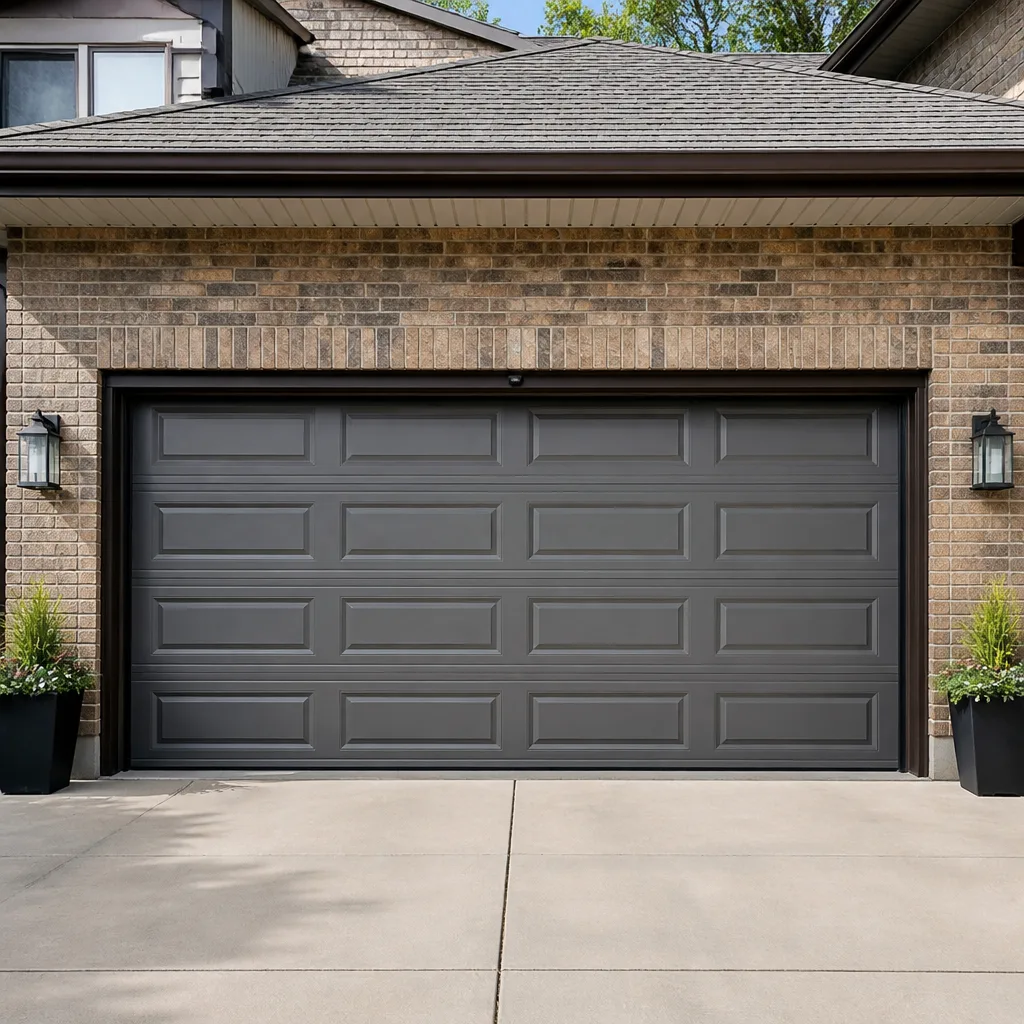 Raised-panel steel
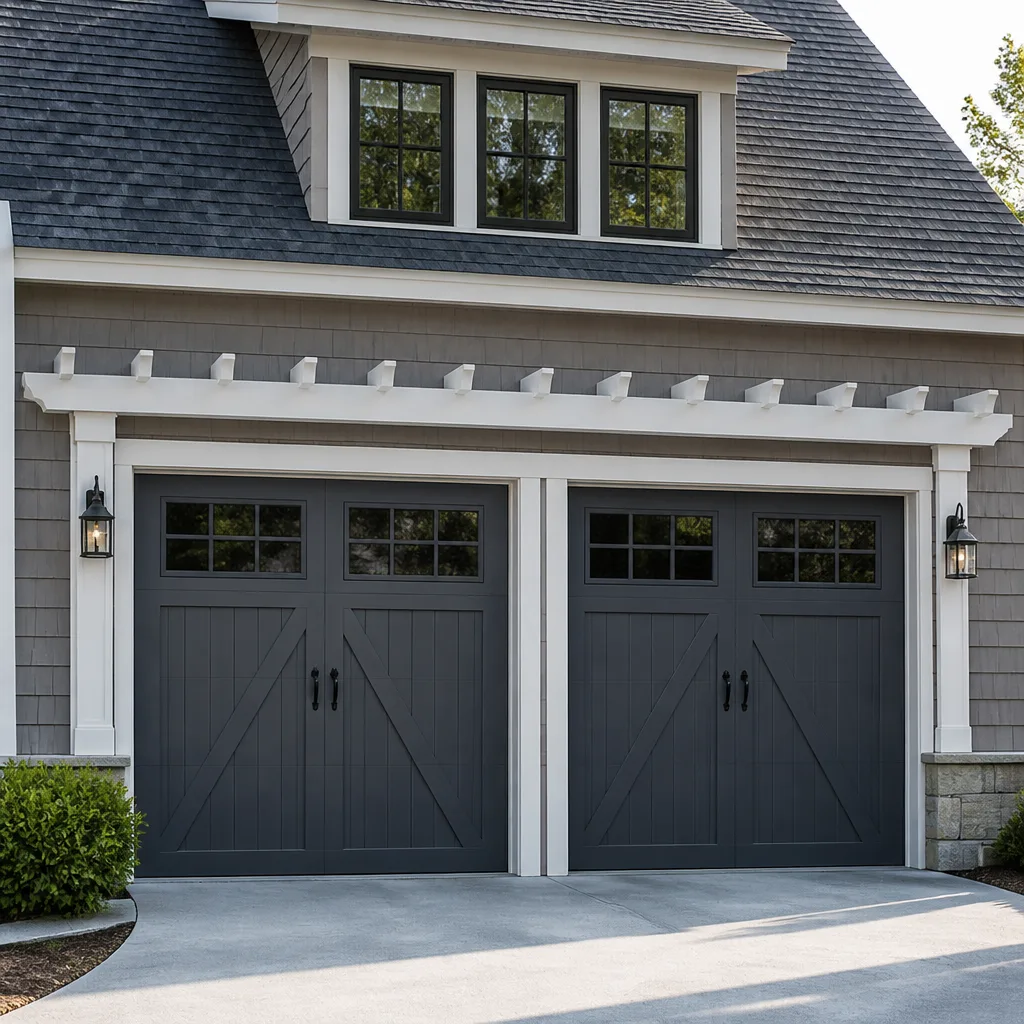 Carriage house
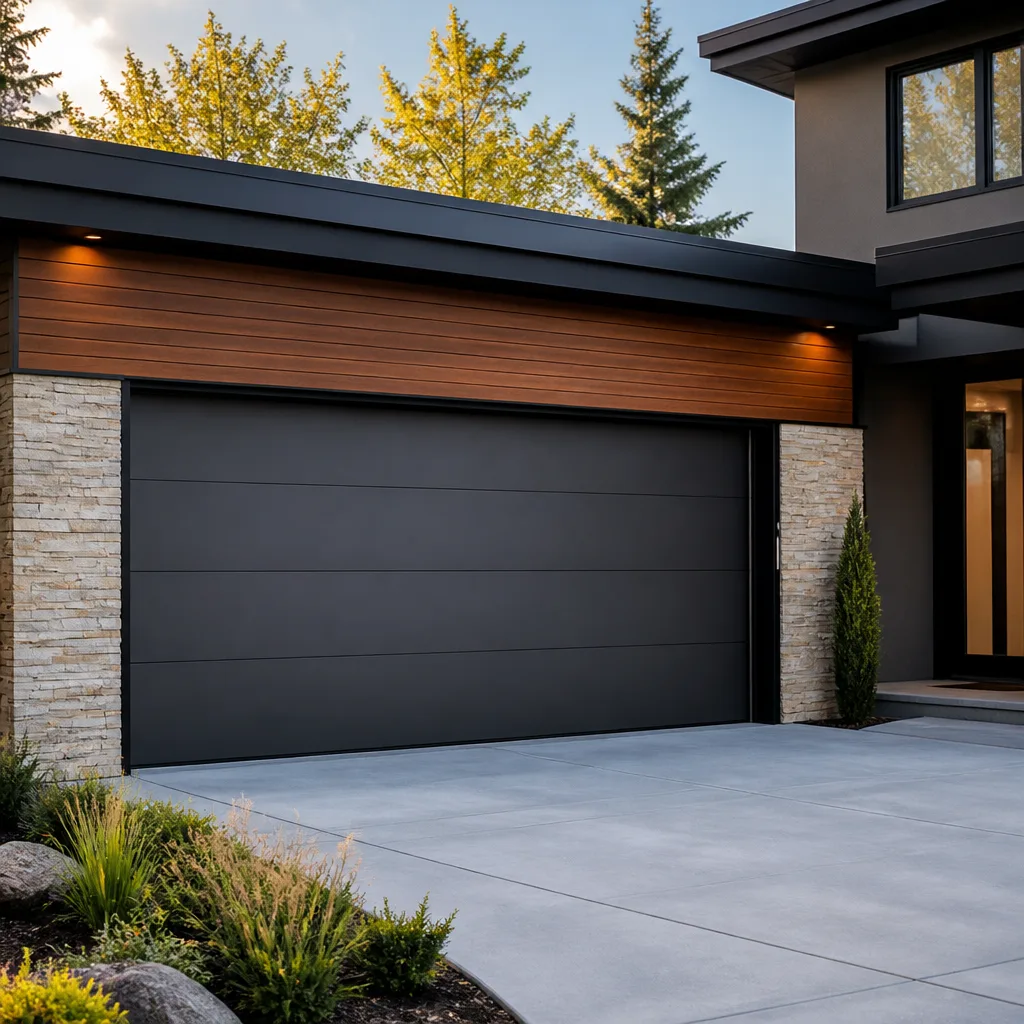 Modern flush
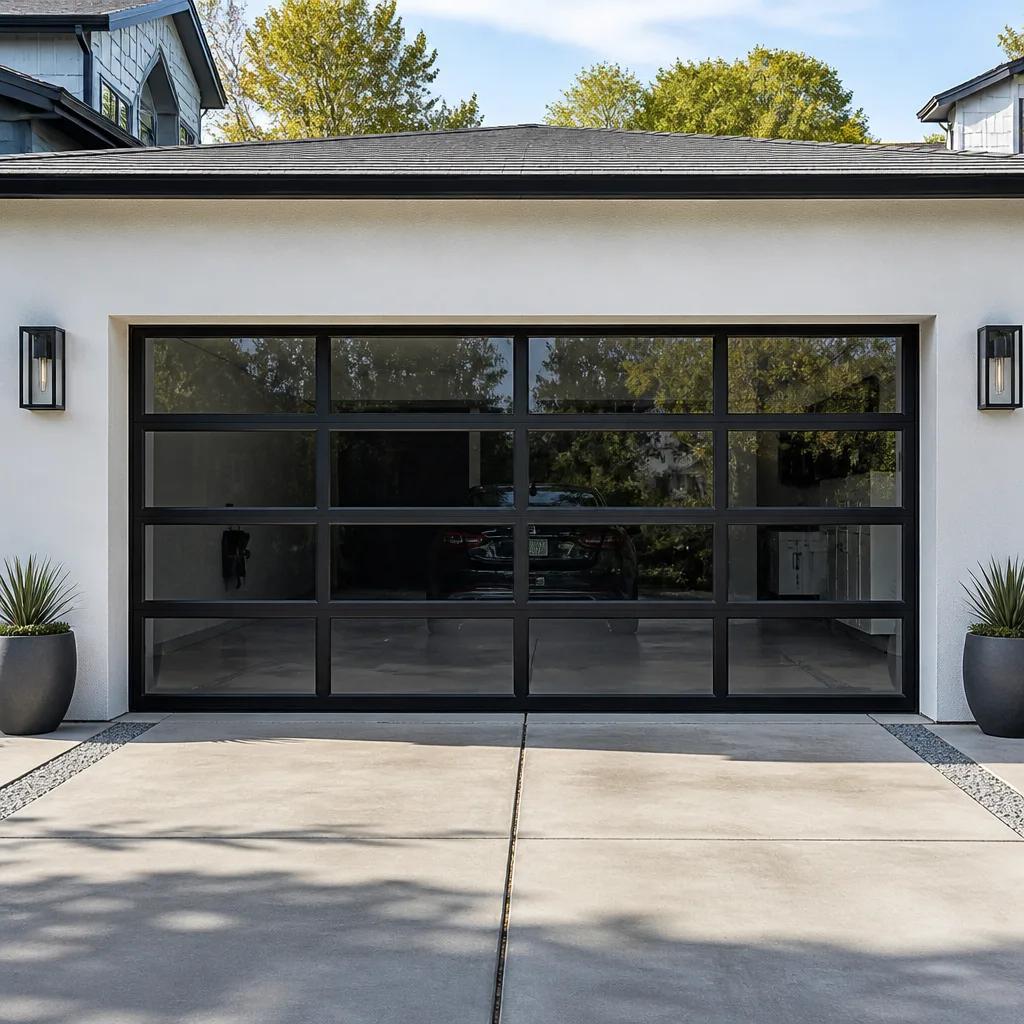 Full-view glass
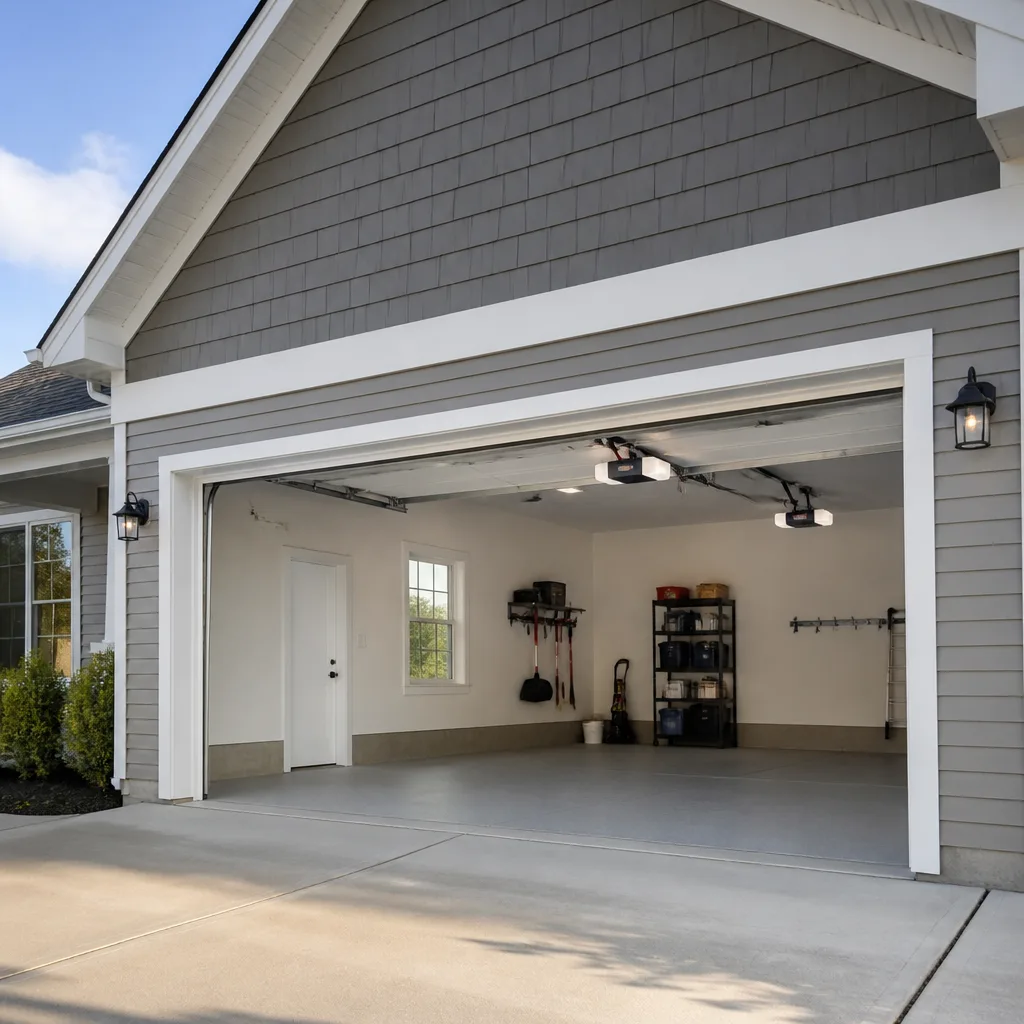 LiftMaster openers
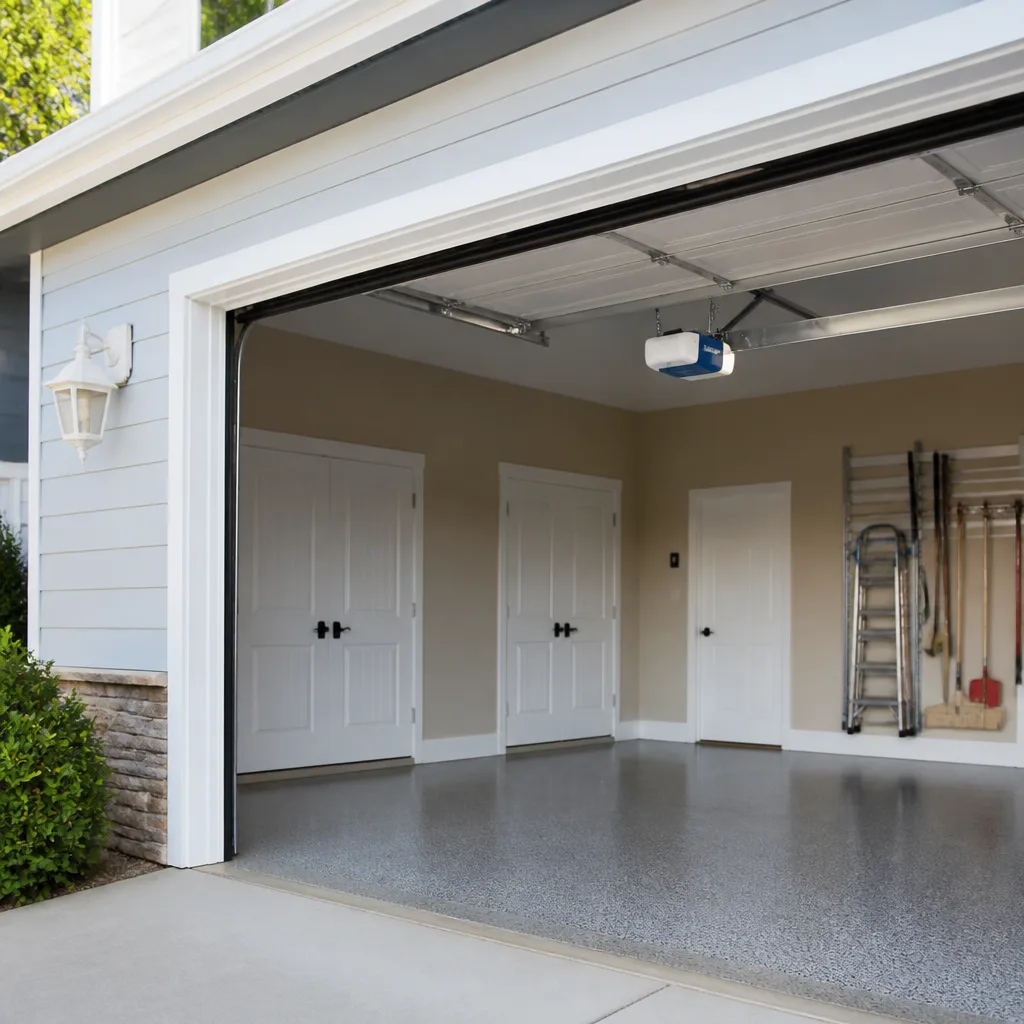 Chamberlain openers
Full 25-point door and opener safety check with every visit - springs, cables, rollers, tracks, and your LiftMaster or Chamberlain opener included
You get a price before we start. It does not change when the pro arrives.
Get your free estimateHow to Hire a Garage Door Contractor in Plymouth: A Step-by-Step Guide
The most expensive garage door repair mistake Plymouth homeowners make isn’t hiring the highest bidder. It’s hiring someone who diagnoses the wrong component because they don’t recognize the hardware in front of them. A tech who works mostly on one brand can look at a Wayne Dalton torsion setup or an older Genie opener and misread the symptom, then quote a fix for the wrong part. You pay for a repair that doesn’t solve the problem, and the door keeps failing. This guide walks you through the questions, documents, and quote details that separate a brand-fluent specialist from a generalist with a toolbox, so you can hire the right person the first time.
Quick Answer
To hire a garage door contractor in Plymouth, verify three things before anyone touches your door: proof of Massachusetts licensing and insurance, a technician who recognizes the specific brand and model already on your door, and a written quote with line items that name each part. Get two quotes at most for a repair (three is a remodel habit and usually just wastes time), ask the five phone questions in this guide, and confirm the price in writing before work starts.
Styles & brands we work with
- Raised-panel steel
- Carriage house
- Modern flush
- Full-view glass
- LiftMaster openers
- Chamberlain openers
Table of Contents
- What licenses and insurance should a Plymouth garage door contractor carry?
- The five phone questions that reveal whether a contractor knows your brand
- How many quotes should you get for garage door repair in Plymouth?
- Red flags in a garage door quote
- Why spring work needs a specialist, not a handyman
- What a good on-site diagnosis looks like
- How to read your service invoice after the job
- Plymouth weather, housing, and your garage door
What licenses and insurance should a Plymouth garage door contractor carry?
Ask for proof of a Massachusetts Home Improvement Contractor registration and current liability insurance before any work begins. Massachusetts requires home improvement contractors to register with the state, and a legitimate garage door company in Plymouth should be able to produce that registration number and a certificate of insurance on request. Don’t take a verbal yes. Ask them to email or text a copy.
Here’s what to check on those documents:
- Registration number: It should match the business name on the quote, not a different company or a personal name.
- Liability insurance: The certificate should list current dates and enough coverage to handle property damage. If a spring lets go and dents a car in the driveway, you want that coverage in place.
- Workers’ compensation: Ask whether the company carries it. If a helper is injured on your property and there’s no coverage, the problem can land on you.
- Written contract: Massachusetts requires a written contract for home improvement work above a certain dollar amount. If someone wants to shake hands and start, that’s your signal to walk.
For permit questions, ask the City of Plymouth building department directly. Some structural changes to a garage opening require a permit; a straightforward spring or opener repair usually doesn’t. A contractor who knows the local permitting landscape will tell you plainly whether your job needs one rather than guessing.
One more thing on credentials: a company that specializes narrowly tends to carry the right insurance for its trade. A general handyman may be registered but not set up for the specific risks of high-tension spring work. When you call Garage Door Repair Plymouth Pros, ask what the local pro is licensed and insured for, and confirm the details before you book.
The five phone questions that reveal whether a contractor knows your brand
You can learn a lot in a five-minute phone call. The right questions don’t test whether the contractor has heard of your brand. They test whether the contractor has actually worked on the specific mechanism on your door. The answers separate a technician who knows the hardware from one who’ll figure it out on your dime.
- “What brand and model is on my door, based on what I’m describing?” Give them the symptom and any label info you can find. A brand-fluent technician will ask follow-up questions about the spring type, the opener’s age, and the door’s material. A generalist will say “we can take a look” without engaging.
- “Have you worked on this opener before?” LiftMaster and Chamberlain share a lot of design DNA. Genie and Craftsman have their own quirks. If your opener is a Genie and the contractor only talks about LiftMaster, they may not know your unit’s failure points.
- “Do you carry the parts for this, or will you need to order?” A specialist who works on Clopay and Amarr doors regularly knows which rollers, hinges, and cables are standard and which need ordering. Vague answers about parts mean a second visit and a longer wait.
- “What’s your diagnostic process before you quote?” Look for a clear answer: they check the balance, the springs, the cables, the tracks, and the opener’s force settings before naming a price. “We’ll see when we get there” is not a diagnostic process.
- “Can you explain the difference between a torsion and extension spring setup?” This one filters fast. A technician who does spring work daily will answer in plain language. Someone who avoids the question probably shouldn’t be near your springs.
For opener-specific problems, the same logic applies. If you’re weighing whether to repair or replace an opener, the right garage door opener repair conversation starts with brand and model, not a sales pitch for a new unit.
How many quotes should you get for garage door repair in Plymouth?
Two quotes is usually enough for a garage door repair. Three quotes is a remodel habit, and on a repair it often costs you more in time than it saves in money. Here’s why the math is different.
A remodel quote covers design choices, materials, and labor that vary widely between contractors. Comparing three kitchen bids makes sense because the scope itself is different. A broken torsion spring is a broken torsion spring. The parts are standardized, the labor is a known quantity, and the diagnosis should land in the same place. Getting a third and fourth quote mostly delays the fix while the door sits stuck.
What you should compare between two quotes:
- Diagnosis: Do both contractors name the same failed component? If one says spring and the other says opener, one of them is guessing.
- Parts named: A real quote lists the spring size, the cable type, or the opener part. “Repair door” is not a line item.
- Labor included: Confirm whether the price covers diagnosis, removal, installation, and a safety check.
- Written vs. verbal: A verbal quote is a starting point. The written estimate is the price you’ll actually pay.
When to get a third quote: only if the two diagnoses disagree, or if one contractor is pushing a full replacement while the other says repair. That’s a real fork in the road worth a tiebreaker. Otherwise, pick the contractor who diagnosed clearly, answered your brand questions, and put the price in writing.
For a straight spring replacement, the same two-quote rule applies. A specialist who handles garage door spring repair regularly will quote a clear number for the spring and labor, and explain whether you have one spring or a matched pair.
Red flags in a garage door quote
A quote is a window into how a contractor works. Vague line items and pressure tactics show up before the job starts if you know what to look for. Here are the patterns that should make you slow down.
Vague line items
“Repair garage door – $X” tells you nothing. A legitimate quote names the parts and the labor separately. If the contractor can’t tell you which spring size, which cable, or which opener component they’re replacing, they either haven’t diagnosed it or they’re hiding the markup.
Pressure to replace instead of repair
A repair-first contractor will tell you when a door or opener is genuinely at the end of its life. A replacement-first contractor will find a reason to sell you a new system even when a $200 repair would add years of service. Ask directly: “Is this repairable, and what would that cost?” If the answer is always “replace,” get a second opinion.
Unmarked vehicles and no paperwork
Massachusetts doesn’t require every contractor vehicle to be wrapped in branding, but an unmarked truck with no written contract, no registration number, and no insurance certificate is a risk you don’t need to take. Legitimate companies carry documentation. Ask for it whether or not the truck has a logo.
Quotes that change after the work starts
The price should be agreed before anyone picks up a tool. If a contractor discovers additional problems mid-job, they should stop, explain what they found, and get your approval on the adjusted price before continuing. A surprise invoice at the end is a red flag you can prevent by asking upfront.
No warranty on parts or labor
Ask what happens if the part fails. A contractor who doesn’t offer any warranty on the work is telling you something about their confidence in it. Get the warranty terms in writing on the quote.
Why spring work needs a specialist, not a handyman
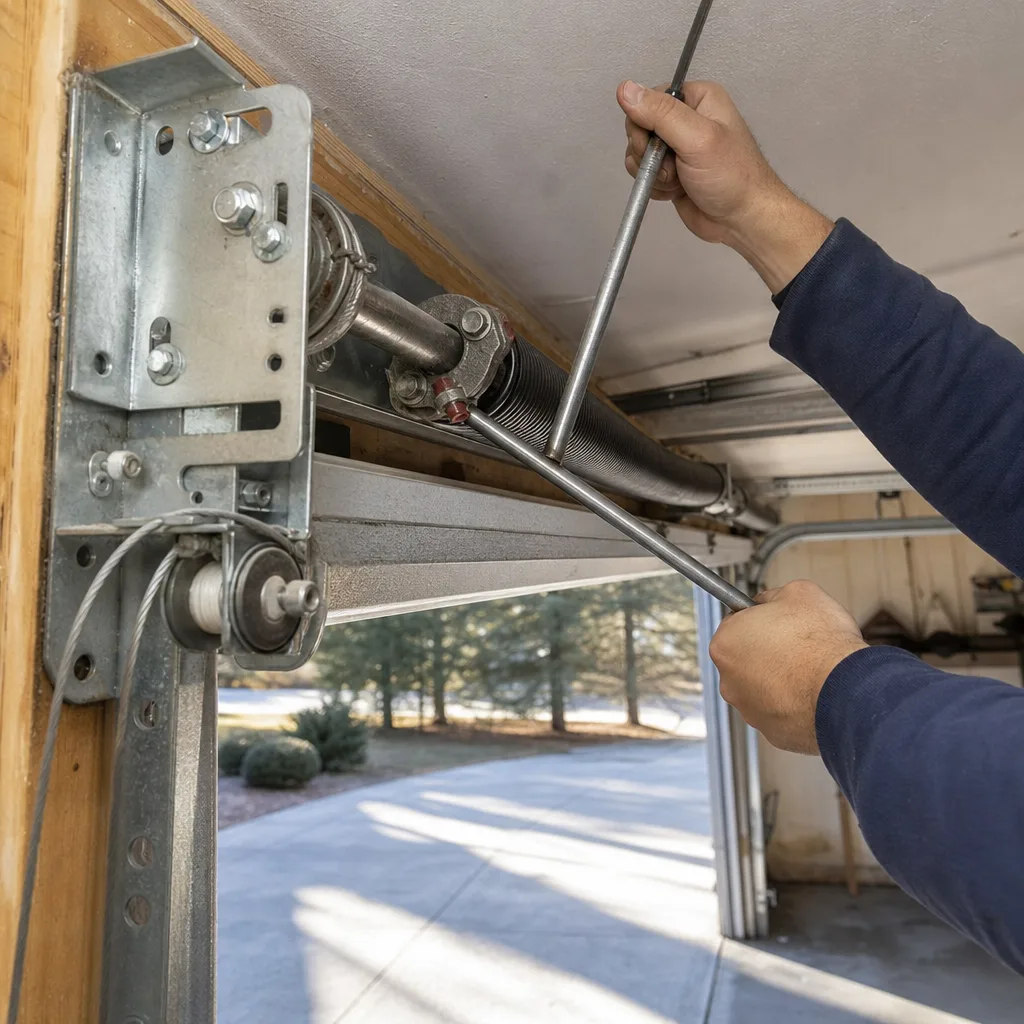
Garage door springs are under extreme tension, and if they’re handled wrong they can cause serious injury. This is the part of garage door work where hiring the wrong person is genuinely dangerous. A torsion spring carries enough stored energy to break bones. A trained technician uses winding bars and specific procedures to release that tension safely. There’s no safe shortcut, and there’s no “hold it steady while I cut this” version.
That’s why spring work sits at the center of what a real garage door specialist does, and why most general handymen won’t touch it. It requires the right tools, the right springs matched to your door’s weight, and the experience to know when a single spring should be replaced as a matched pair.
When you’re hiring for spring repair in Plymouth, ask:
- Do they carry the correct spring size for your door, or will they install a generic spring?
- Will they replace one spring or both if the door has a matched pair? A pair is usually replaced together because the springs wear at the same rate.
- Do they check the cables, drums, and bearings while the springs are out?
- Is the price for one spring or a pair? Get this clear before you agree, because a pair costs about twice a single spring.
If a contractor treats spring replacement as a quick add-on to other work, find someone who treats it as the specialized, high-risk job it is. We do spring work every day, with the tools and training that job demands, and we’d rather fix the right component safely than talk you into a new door.
What a spring repair typically costs in Plymouth
Spring repair pricing in the Plymouth area usually falls into these ranges. These are typical estimates; the written quote sets your final price, and the price per spring is for one spring.
- Single torsion spring replacement: typically $180 to $340, including labor.
- Matched pair of torsion springs: about twice the single-spring range, since both springs are replaced together.
- Extension spring replacement: varies by door size but generally sits in a similar range to torsion work.
- Cables and drums, when replaced with springs: add to the base spring price.
- Opener repair or replacement, if the spring failure damaged the opener: quoted separately after diagnosis.
Call (833) 754-9851 for an exact quote on your spring. Estimates are free, and the price is agreed before any work starts.
What a good on-site diagnosis looks like
A proper diagnosis takes about fifteen minutes and touches every part of the system. If a contractor walks in, glances at the door, and names a price in two minutes, they’re guessing. Here’s what a thorough technician checks before quoting.
- Balance test: They disconnect the opener and lift the door halfway by hand. If it won’t stay put, the springs are out of balance or failing.
- Spring inspection: They look at the coil, the winding cones, and the anchor. A visible gap in the spring means it’s broken, but a stretched or sagging spring is also a problem even without a break.
- Cables and drums: They check for fraying, slack, or cables that have jumped the drum. A single frayed cable is a safety issue on its own.
- Track and roller inspection: They check for bent track, worn nylon rollers, and loose hinges. A door that’s noisy or jerky often has a track or roller problem, not a spring problem.
- Opener check: They test the force settings, the safety reverse, and the travel limits. If the opener is failing, the door may be fine.
- Weather seal and bottom bracket: They check the bottom seal for gaps and the bottom bracket for cracks. These are small parts that cause big drafts and safety issues.
- Written quote: After the diagnostic, they name the failed component, list the parts, and give you a written price. Anything less and you’re not getting a real quote.
This is the “no guesswork” part of hiring well. A technician who diagnoses before quoting will get it right the first time. For general door problems, the same thorough approach applies to any garage door repair in Plymouth.
How to read your service invoice after the job
Your invoice should match the quote you agreed to, plus any parts you approved mid-job. Before you pay, check that the invoice names what was actually installed, the labor, and the warranty terms. Here’s how to read it line by line.
- Parts line items: Each part should be named. “Spring” isn’t enough; the size and type should appear. If the invoice matches the quote, you’re in good shape.
- Labor: Labor should be a separate line, not buried in the parts total. Confirm it matches what you agreed to.
- Additional work: If the technician found something after the quote and you approved a fix, that should appear as a separate line with your approval noted. No surprises.
- Warranty terms: The invoice should state the warranty on parts and labor. Keep it with your records; if the spring fails early, the warranty is what you’ll rely on.
- Safety check confirmation: A good invoice includes a note that the safety reverse was tested and the door was lubricated. If it’s not there, ask.
If the invoice is higher than the quote and you didn’t approve additional work, ask for an explanation before paying. A legitimate contractor will walk you through every line. If they can’t, that’s your signal to dispute the charge.
Plymouth weather, housing, and your garage door
Plymouth’s climate puts garage doors through a real seasonal cycle. Winters bring freezing temperatures that make steel and springs more brittle, and the freeze-thaw shifts pull at the door’s track alignment and weather seal. Summer humidity swells wooden door panels and can warp a door out of balance. A garage door in Plymouth sees more temperature swings than one in a milder climate, which means maintenance and inspection matter more than they would elsewhere.
Housing stock here matters too. Plymouth has a mix of older homes and newer construction, and that shows up in garage hardware. Older doors often run on extension springs or on legacy openers from Genie and Craftsman that predate the smart-home era. Newer homes tend to carry LiftMaster or Chamberlain openers with modern safety features. A technician who works across Clopay and Amarr doors will recognize the hardware on either type.
Here’s how climate shows up in common Plymouth repairs:
- Springs: Cold snaps make springs more likely to break, especially on older doors that have been cycled thousands of times. A spring that’s near the end of its life is more likely to let go in a cold stretch.
- Openers: Temperature extremes stress the opener’s gears and force settings. An opener that grinds or struggles in cold weather may need its force setting adjusted or its motor serviced.
- Tracks: Freeze-thaw movement can knock a track out of alignment, causing the door to bind or squeal as it travels.
- Seals: The rubber weather seal at the bottom takes a beating from winter ice and summer heat. A worn seal lets cold air and moisture in.
If your door is moving slowly, making noise, or failing to close fully, the climate is often part of the story. Getting ahead of a repair before the first hard freeze saves you from a door that won’t open on the coldest morning of the year.
Common Mistakes to Avoid
- Hiring the first person who answers the phone. The fastest quote isn’t always the best diagnosis. Ask the five phone questions and compare two quotes before deciding, so you know the contractor actually recognizes the brand on your door.
- Taking a verbal quote. A verbal number is easy to change after the job. Get it in writing with line items, and keep it with your records so the invoice can be checked against it.
- Skipping the insurance check. A contractor without liability coverage leaves you exposed if something gets damaged. Ask for the certificate before work starts, even if it feels awkward.
- Assuming three quotes are better than two. On a repair, the third quote usually just delays the fix. Get two clear diagnoses, and only add a third if they disagree.
- Letting a contractor talk you into a replacement without a repair number. A repair-first contractor will quote both. If all you get is a replacement price, you haven’t been given a choice.
- Ignoring the opener when the door fails. A failing spring can stress the opener, and a failing opener can mimic a door problem. A good diagnostic checks both, so you don’t pay to fix the wrong component.
- Skipping the post-job safety check. The safety reverse and balance should be tested after any repair. Ask for confirmation on the invoice.
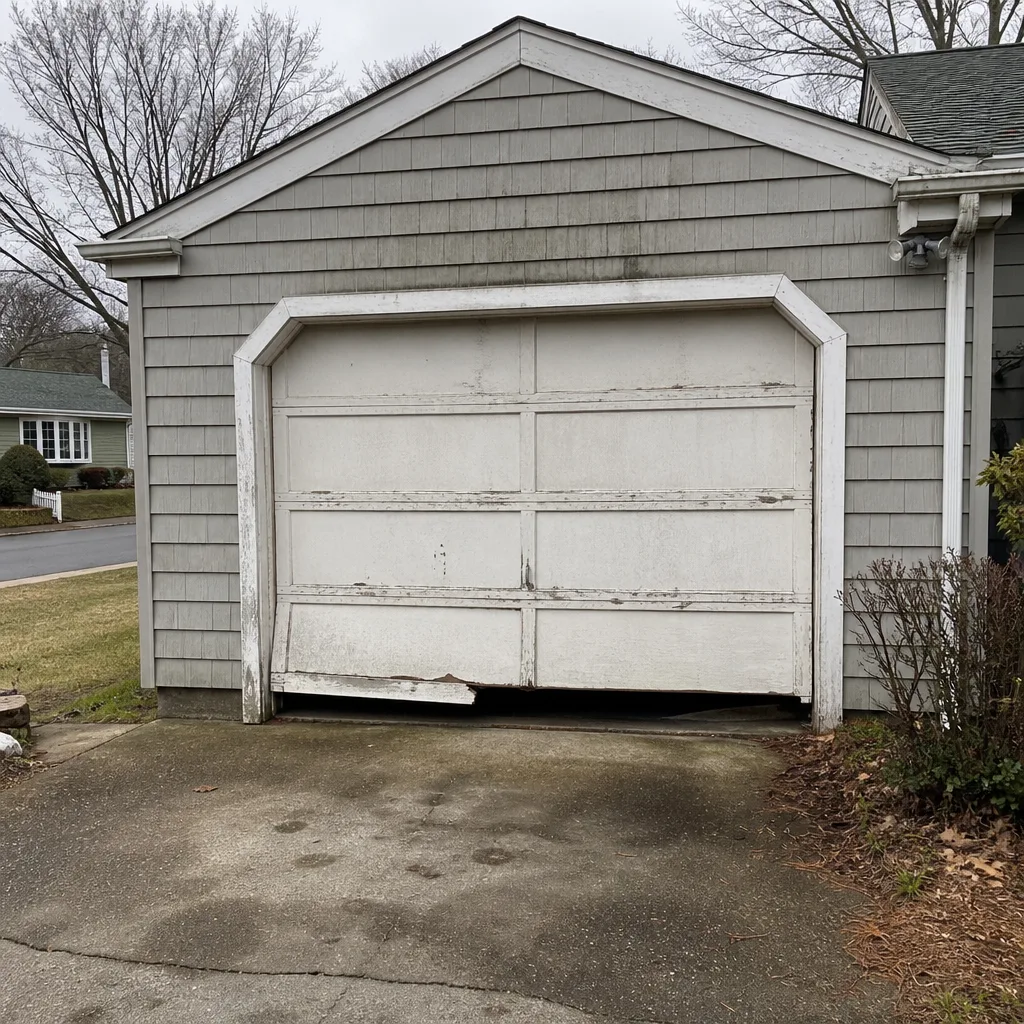
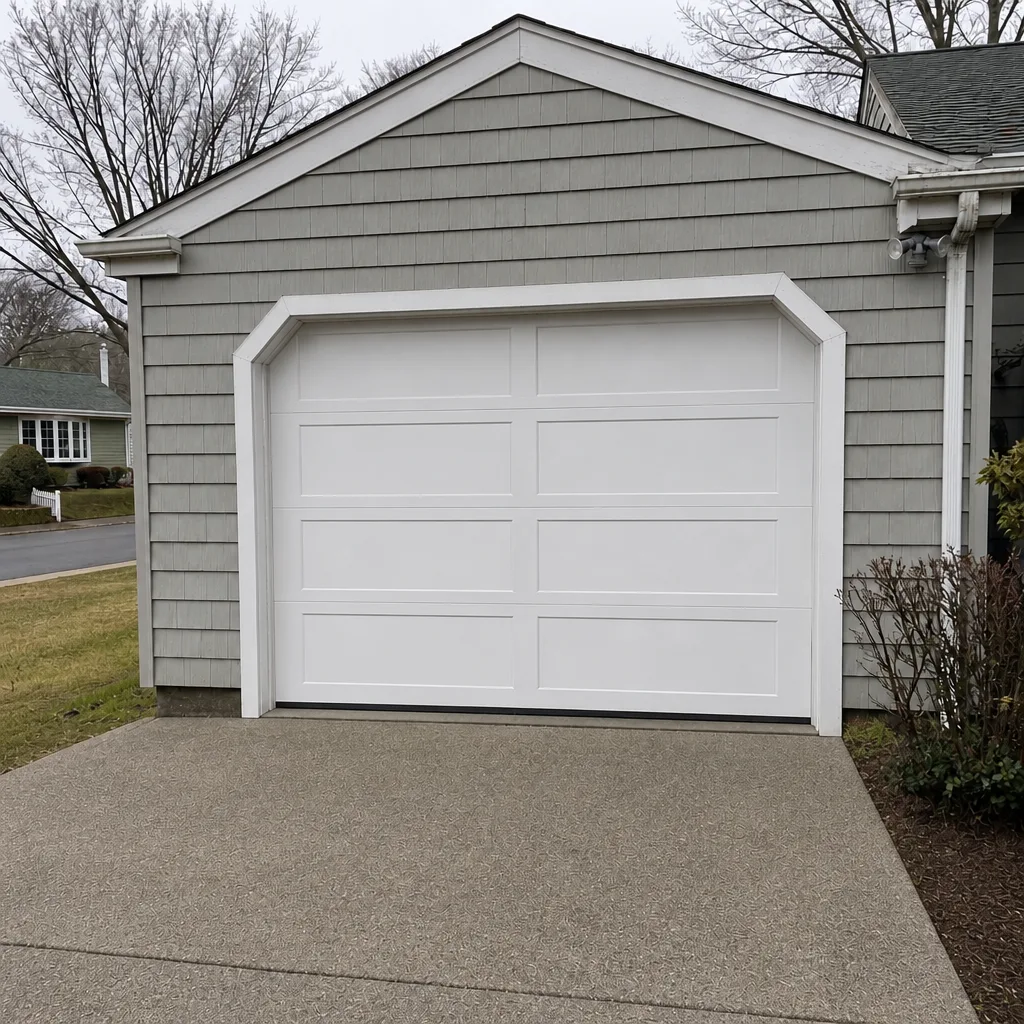
See the difference
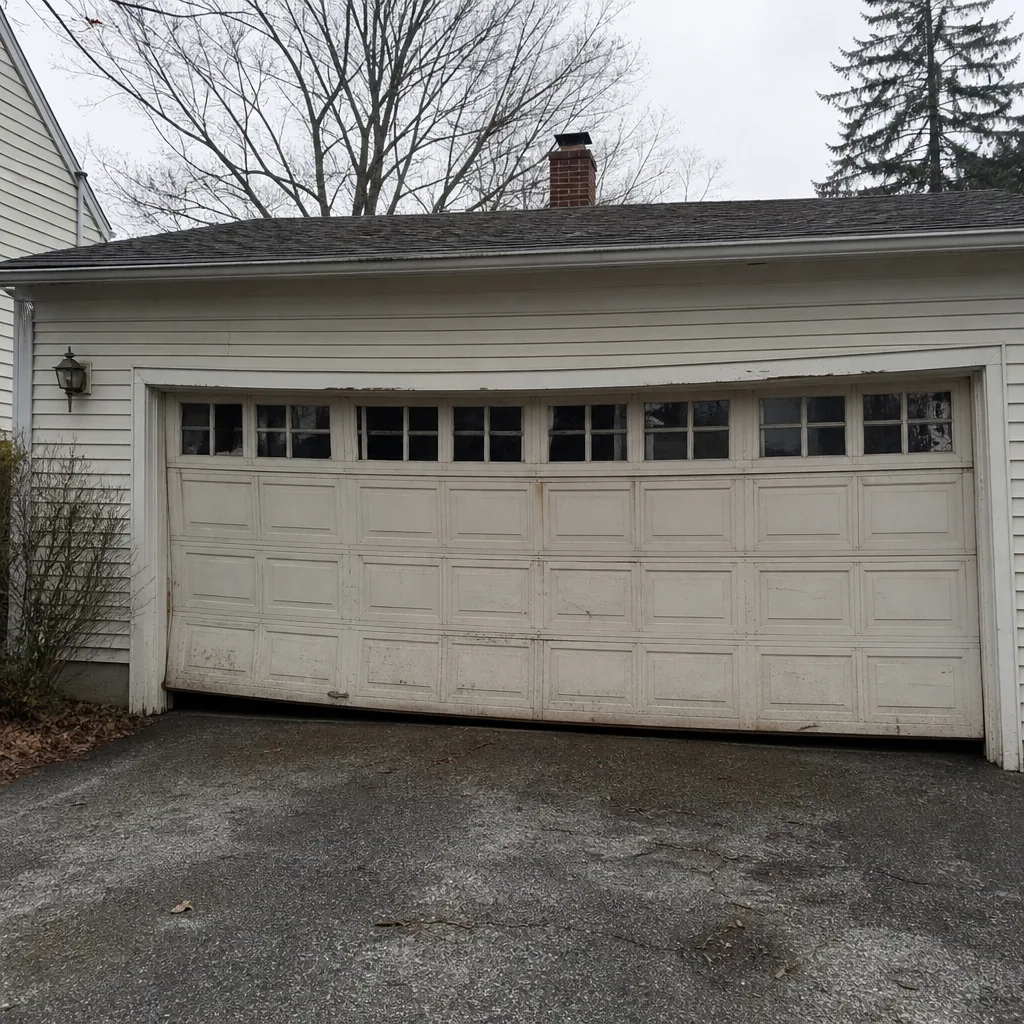 Before
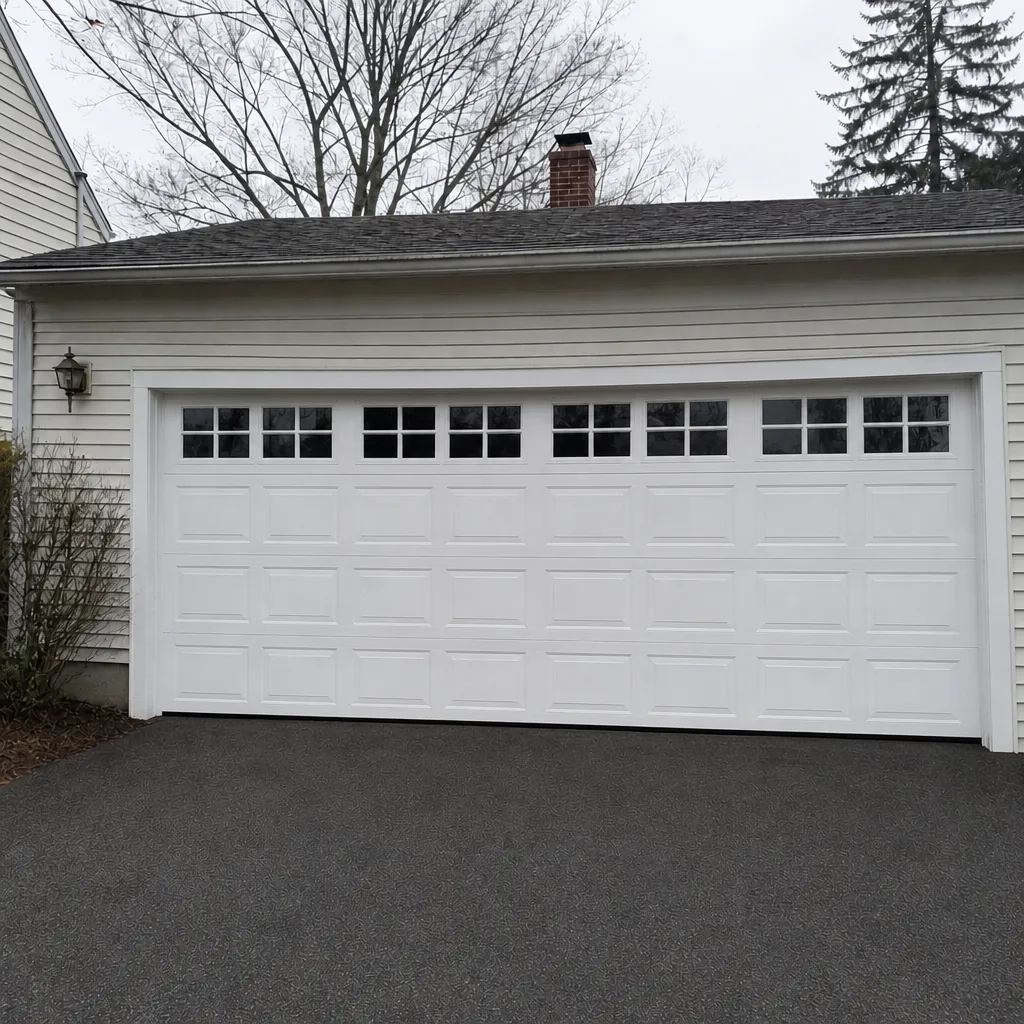 After
 Before
 After
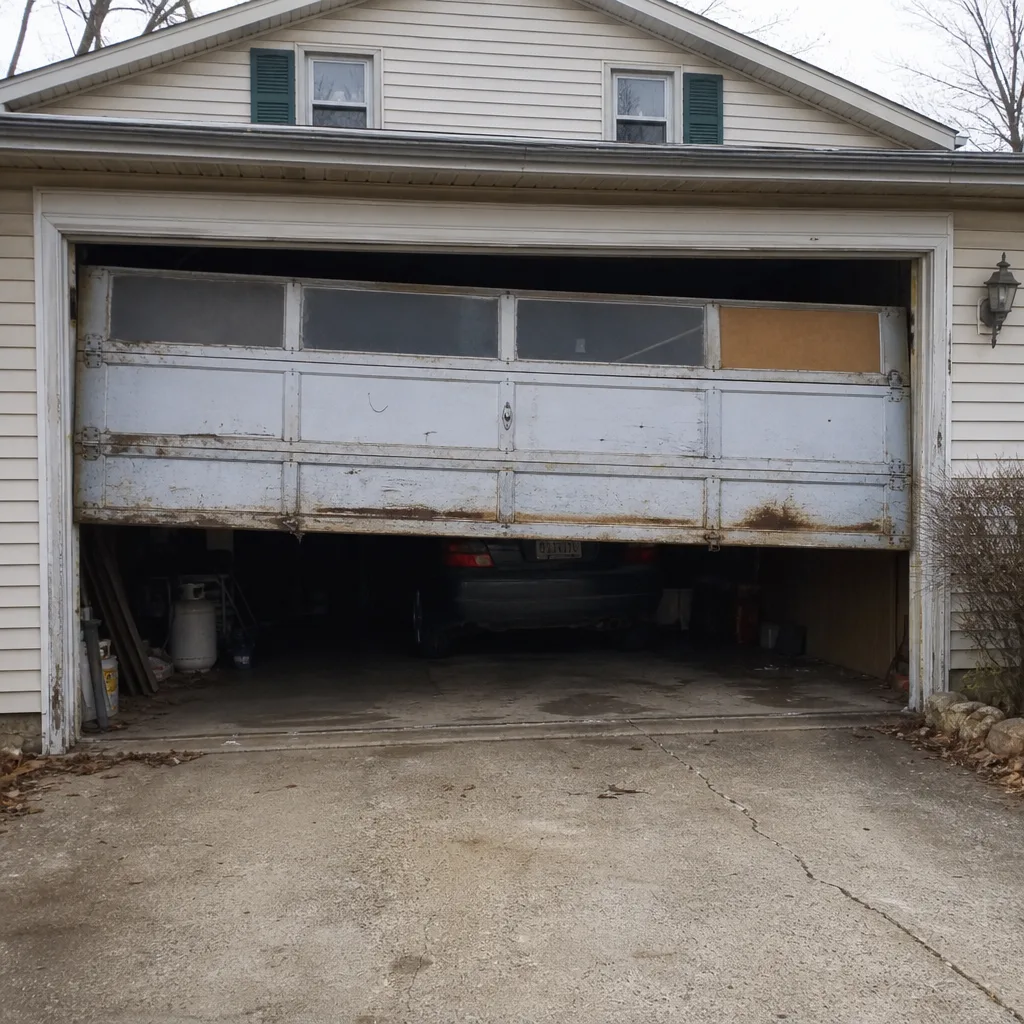 Before
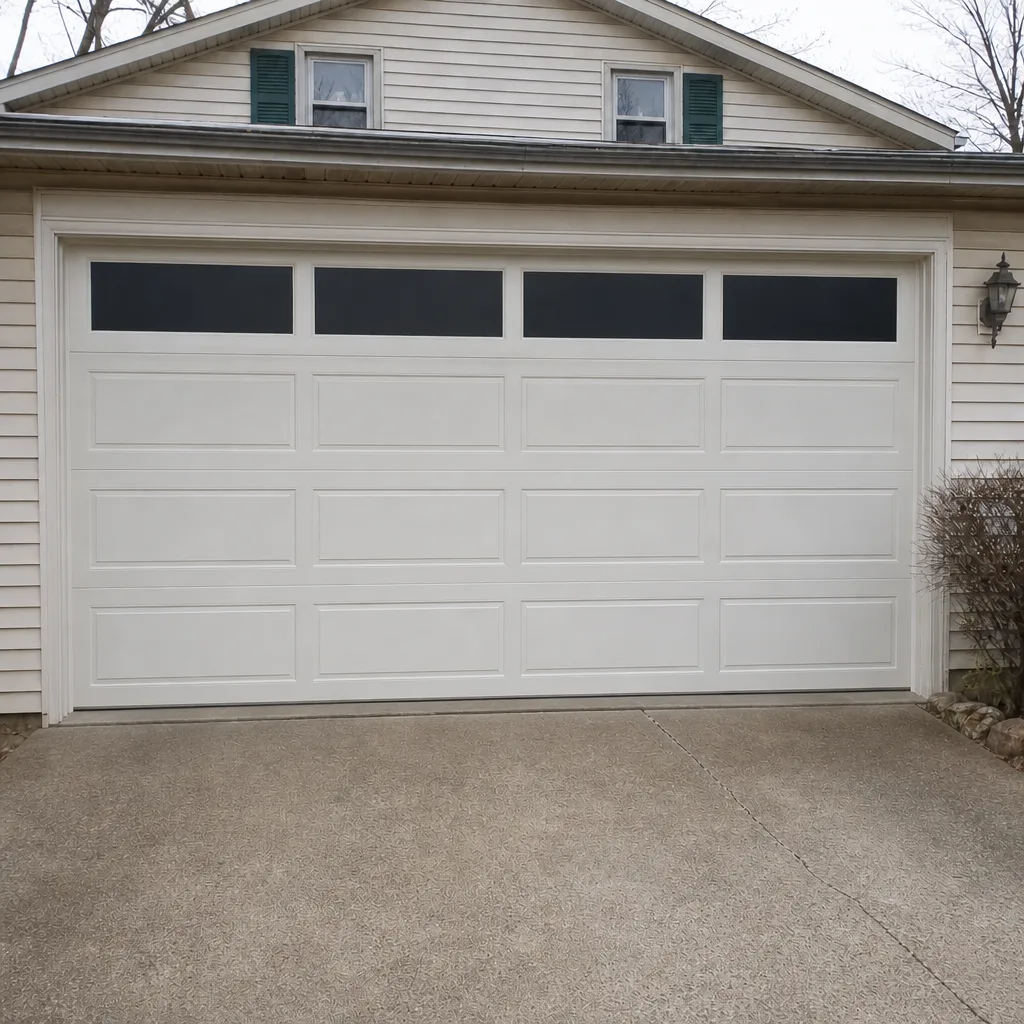 After
When to Call a Professional
Some garage door problems are safe to live with for a while. Others need a call before the door fails completely. Call a professional when a spring is visibly broken or the door won’t balance, when the opener grinds, hums without lifting, or stops reversing on command, or when the door jerks, squeals, or comes off its track. Any cable that’s frayed or slack is a safety issue that should be handled by a trained technician, not a homeowner with a wrench.
If your door is stuck open or refuses to close, don’t force it. A stuck door can indicate a broken spring, a jammed cable, or an opener that’s failed at a bad moment. Garage Door Repair Plymouth Pros offers free estimates in Plymouth. Call (833) 754-9851, and we’ll diagnose the problem before quoting so you know exactly what you’re paying for.
Frequently Asked Questions
Most garage door repairs in Plymouth fall between $150 and $400, depending on the part and the labor involved. Spring replacement typically runs $180 to $340 for a single spring, with a matched pair costing about twice that. Opener and track repairs fall in similar ranges. The written quote sets your final price, and you’ll get it before any work starts.
Yes, you should ask for a Massachusetts Home Improvement Contractor registration and a certificate of liability insurance before work starts. A legitimate contractor in Plymouth will provide both on request. If the company can’t produce documents that match the business name on the quote, find someone else.
Many garage door repairs can be done the same day when the parts are standard and the diagnosis is clear. A broken spring or a misdiagnosed opener issue is often a same-day fix. Call (833) 754-9851 and describe the problem; we’ll tell you what’s realistic for your situation. The phone call is free.
Hire a specialist. Garage door springs are under extreme tension, and improper handling can cause serious injury. A handyman without spring-specific tools and training shouldn’t be near them. A garage door specialist will have the right winding bars, the correct spring size for your door, and the experience to replace a matched pair safely.
Ask the five phone questions in this guide, and listen for specific answers about your opener or spring type. A technician who works on LiftMaster, Chamberlain, Genie, Clopay, Amarr, Wayne Dalton, Craftsman, and Raynor will recognize the hardware from a description and ask follow-up questions. Someone who only talks about the brand they prefer to sell isn’t brand-fluent; they’re a salesperson.
It shouldn’t, as long as the phone diagnosis matched the on-site reality. If the technician finds additional problems, they should stop and get your approval on the adjusted price before continuing. The price you agree to before work starts is the price on the invoice. If it changes without your approval, ask why before paying.
For a full look at the repair, opener, and spring services that keep a Plymouth garage door working through the seasons, start with the team at Garage Door Repair Plymouth Pros. Our technicians have up to 14 years of experience, and we work on the brand you already have rather than steering you toward a replacement.
The Bottom Line
Hiring a garage door contractor in Plymouth comes down to three checks: verify the license and insurance, ask the five phone questions to confirm brand fluency, and get the price in writing before work starts. Two quotes is usually enough for a repair; a third only helps when the diagnoses disagree. Watch for vague line items, replacement pressure, and unmarked trucks. For spring work especially, hire a specialist, because that job is high-risk and deserves the right tools and training. The written quote is the price, so keep it and check your invoice against it after the job. Call (833) 754-9851 for a free estimate.
Written by the team at Garage Door Repair Plymouth Pros.